Notes From The Underground - IV
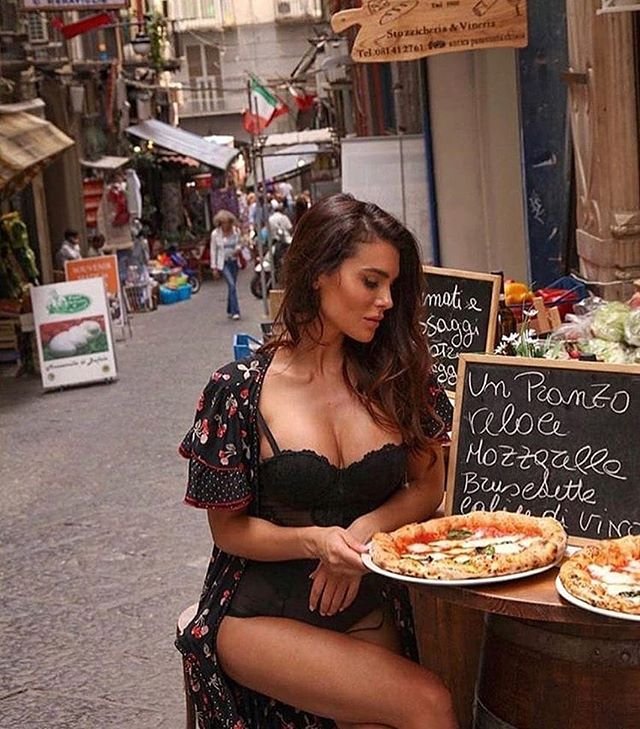
We and our animal cousins are quickly alerted to signs of opportunities to mate or to feed, and advertisers design billboards accordingly.
[Daniel Kahneman (2011), Thinking, Fast and Slow]
[Time Marketing]
Michel Houellebecq's sixth novel, Soumission, was published today, January the 7th, in France.
According to it, the leader of France's Muslim party has beaten the far-right Front National in the Presidential election, women abandon Western dress and leave work, non-Muslim teachers are forced out of their jobs and polygamy is reinstated: this is France in 2022.
When confronted with accusations of Islamophobia, Houellebecq claimed that he was not writing out of fear and that "things don't go all that badly" in the book, except if you were a "feminist".
The Independent (2015)
Also today, January the 7th, at least 12 people have been killed in a shooting incident at the Paris office of French satirical weekly Charlie Hebdo.
Video footage posted to social media showed armed gunmen running through the streets of Paris, shooting with automatic weapons and shouting "Allahu Akbar".
According to an eye-witness, one of the gunmen shouted: "The Prophet is avenged."
The Independent (2015)
"I accelerate history, but no, I can't say that the book is a provocation; if that means saying things I consider fundamentally untrue just to get on people's nerves. I condense an evolution that is, in my opinion, realistic."
[Michel Houellebecq (2015)]
Na primeira década do século XXI, o PIB per capita da Área Metropolitana de Lisboa (AML) havia baixado de um índice que se aproximava dos 120 no ano 2000 (face uma média de 100 de todas as regiões da UE) para 116 em 2010.
Mas no decurso da segunda década, este indicador irá baixar de forma acentuada, passando para um nível próximo de 100 em 2017.
Os dados provisórios mais recentes mostram, contudo, perspetivas de uma ténue melhoria para os anos de 2018 e de 2019 (com um índice de cerca de 101 e de 102, respetivamente).
Portanto, a AML apresenta desde o inicio do século uma trajetória de divergência face ao crescimento económico médio das regiões europeias.
O que, a par de uma aproximação aos níveis médios das restantes regiões portuguesas, fez com que no documento Estratégias AML para 2030 se denominasse esta trajetória de «um processo de coesão de convergência não virtuoso».
[Lisboa em Metamorfose (2021), João Seixas]
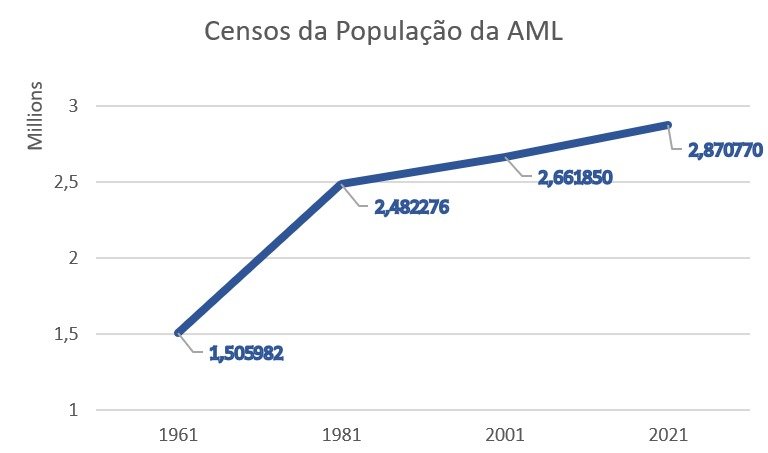 População da Área Metropolitana de Lisboa - 1961 a 2021 (Censos)
[A Futile Struggle]
After more than 30 years of liberal and libertarian political activity, including personal contacts with federal ministers, the following became clear to me: my classic liberal/liberal convictions that freedom, self-determination but also personal responsibility are the values that enable a life of prosperity and satisfaction are not shared by the majority.
Nowhere, in any system, not even in the USA or Switzerland.
It is therefore a futile love struggle to convince democratic societies of the merits of these values.
Those who promise free services, redistribution and extensive social security will always win the elections.
Always and everywhere. Over time, this will lead to exploding national debt, over-regulation, incapacitation and infantilization of citizens.
Such long-term considerations, however, do not usually play a role in election decisions.
Liberal or libertarian parties must therefore also transform themselves into redistributive parties if they want to survive in democracies.
After a certain period of time, they can hardly be distinguished from their competitors.
[Titus Gebel (2019), CEO of Free Private Cities]
The word "paradise" entered English from an Old Iranian form, meaning "walled enclosure".
By the 6th/5th century BCE, the Old Iranian word had been borrowed into Assyrian.
It subsequently came to indicate the expansive walled gardens in the First Persian Empire, and was subsequently borrowed into Hebrew as "pardes" and into Greek as "parádeisos", park for animals.
In the Septuagint (3rd–1st centuries BCE), Greek "parádeisos" was used to translate both Hebrew "pardes" and Hebrew "gan" (garden): it is from this usage that the use of "paradise" to refer to the Garden of Eden derives.
(2019)
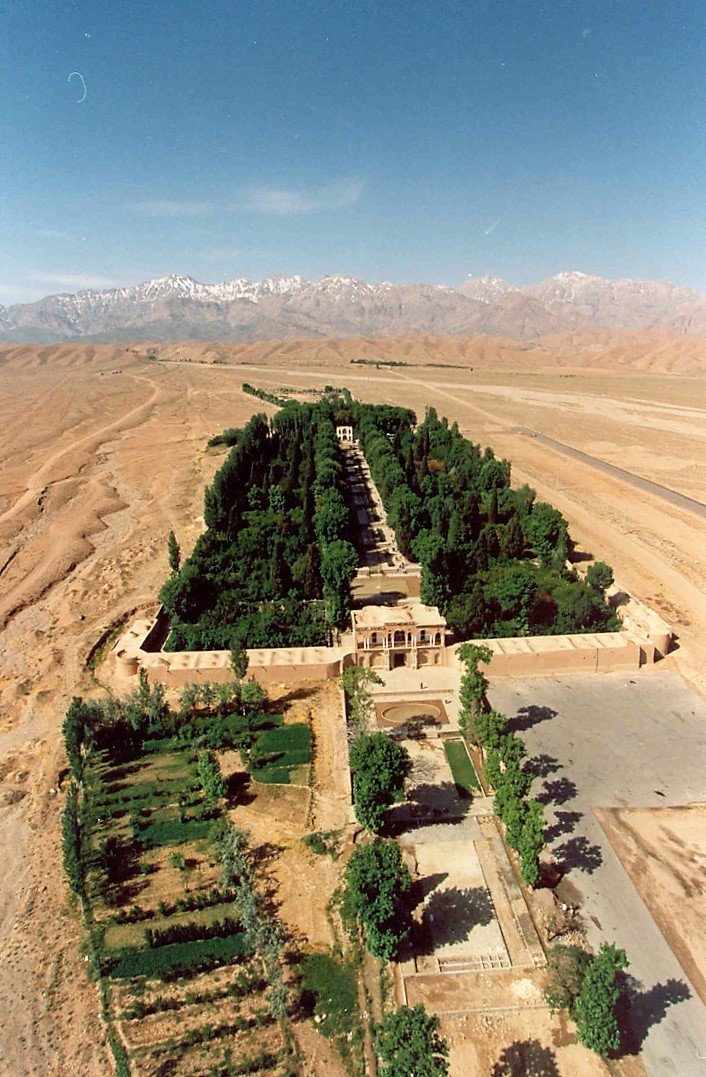 Bāgh-e Shāzdeh Mahan
Pale males are the last group it’s OK to vilify. I am hideously white. The BBC was called hideously white by its former boss Greg Dyke, and the West End stage hideously white by Andrew Lloyd Webber. This week the Football Association was dismissed by critics as a bunch of “old white men”. Note that it is not the BBC or the theater that is hideous, but their whiteness. Such are the routine humiliations of my group. Fashion in collective abuse seeks comfort in crowds. In choosing pale males for ritual contempt, identity politics has found a target that it hopes will confess its “guilt”. Were someone such as I to take offence, demand redress or protected space, I would be bidden to shut up, get a life and not be so sensitive. I might turn to Kant and universalize the judgment. What if I were to follow “hideously” with black, female, Jewish, Arab, obese, disabled or Welsh? I doubt there are many selection panels that do not instinctively mark down any pale male applicant. The chair begins: “Yes, he may the best candidate, but…” And the gods of discrimination look down from on high and wag a stern finger. “White males” cruise the jobcentres and head-hunters like ancient sharks, as if looking for a quiet beach on which to die. Simon Jenkins (2016)
[review of the book Fahrenheit 451 (1953), by Ray Bradbury]
A society can be a dystopia and doesn't know it: maybe, it doesn't even care! Montag, Fahrenheit's improbable hero, isn't concern with some ruthless political elite, he just wants to rouse his wife, himself and ultimately, his technologically advanced community, from theirs intellectual alienation.
His awakening is a thrilling story, full of powerful metaphors and a perfect climax.
Ray Bradbury's novel has a chilling resemblance to today's screen obsessed civilization.
(2015)
[Quotes from Fahrenheit 451]
More pictures. The mind drinks less and less. Impatience. Highways full of crowds going somewhere, somewhere, somewhere, nowhere.
Cram them full of non-combustible data, chock them so damned full of "facts" they feel stuffed, but absolutely "brilliant" with information. Then they'll feel they're thinking, they'll get a sense of motion without moving.
The folly of mistaking a metaphor for a proof, a torrent of verbiage for a spring of capital truths, and oneself as an oracle, is inborn in us, Mr Valéry once said.

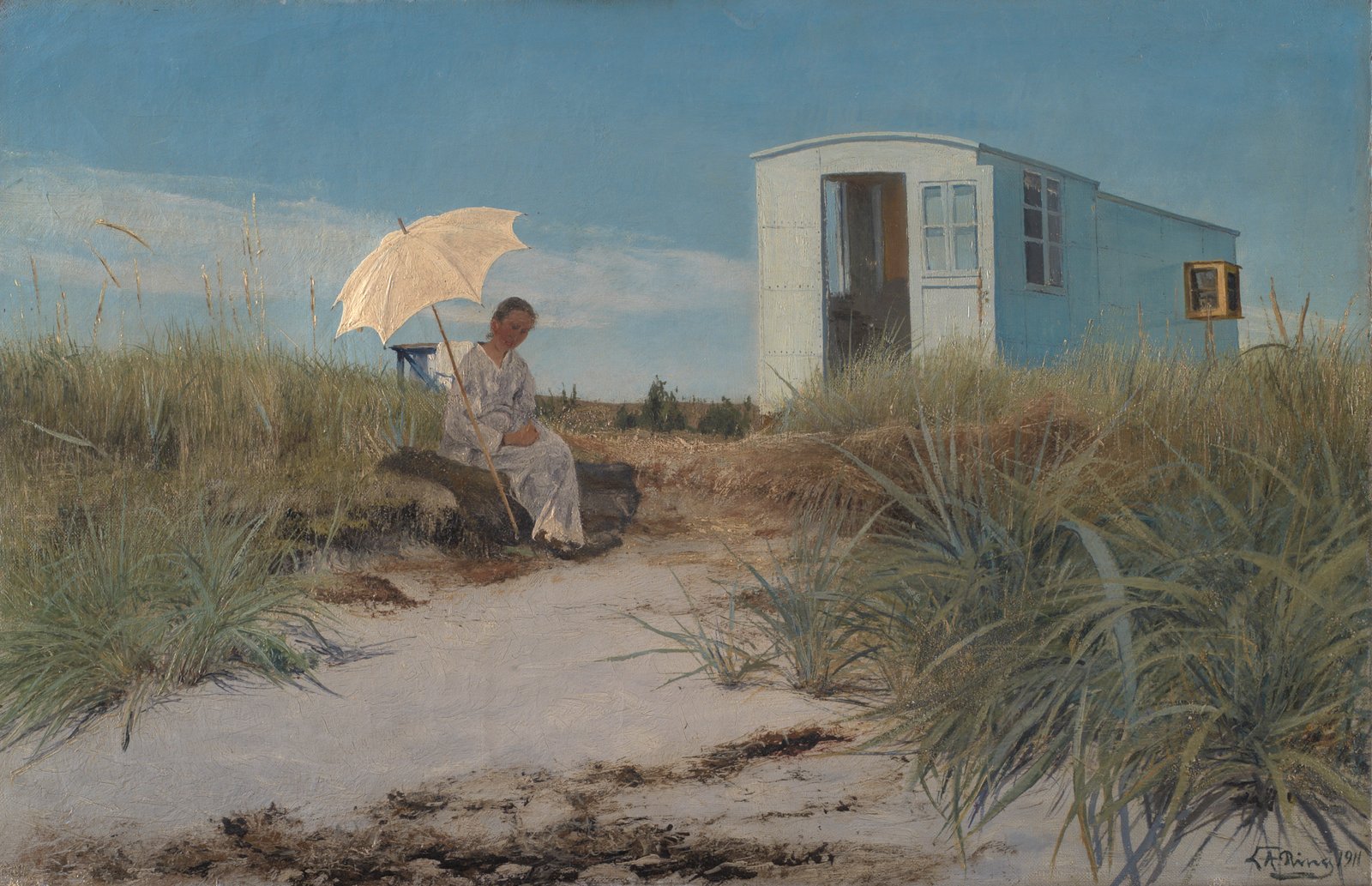 The Artist's Wife with the Family Caravan, L.A. Ring (1911)
[Survivorship Bias]
The Statistical Research Group, where Abraham Wald spent much of World War II, was a classified program that yoked the assembled might of American statisticians to the war effort: something like the Manhattan Project, except the weapons being developed were equations, not explosives.
The military came to the SRG with some data they thought might be useful.
When American planes came back from engagements over Europe, they were covered in bullet holes.
But the damage wasn't uniformly distributed across the aircraft.
There were more bullet holes in the fuselage, not so many in the engines.
The officers saw an opportunity for efficiency; you can get the same protection with less armor if you concentrate the armor on the places with the greatest need, where the planes are getting hit the most.
But exactly how much more armor belonged on those parts of the plane? That was the answer they came to Wald for.
It wasn't the answer they got.
The armor, said Wald, doesn't go where the bullet holes are.
It goes where the bullet holes aren't: on the engines.
Wald's insight was simply to ask: where are the missing holes?
The ones that would have been all over the engine casing, if the damage had been spread equally all over the plane?
Wald was pretty sure he knew.
The missing bullet holes were on the missing planes.
The reason planes were coming back with fewer hits to the engine is that planes that got hit in the engine weren't coming back.
Whereas the large number of planes returning to base with a thoroughly Swiss-cheesed fuselage is pretty strong evidence that hits to the fuselage can (and therefore should) be tolerated.
To a mathematician, the structure underlying the bullet hole problem is a phenomenon called survivorship bias.
Inspired by: Jordan Ellenberg (2015). How Not to Be Wrong: The Power of Mathematical Thinking
Nos EUA durante a segunda guerra, restaurantes japoneses eram fechados por representarem culturalmente o inimigo.
A coca-cola e outras referências capitalistas eram fortemente restringidas na URSS.
A história está cheia de civilizações que tentam proibir ou afastar do público símbolos do inimigo cultural.
É assim que deve ser interpretado a proibição do burqini.
Por isso fazem pouco sentido os paralelos com fatos de surfistas ou com freiras. O burqini e o fato de surfista podem ser semelhantes no que tapam mas não no que representam.
E é no que representam e na forma como os outros o vêem é que está o problema.
Com as devidas distâncias ir de burqini a uma praia de Nice causará o mesmo impacto nos presentes, tendo em conta as devidas proporções, que entrar numa sinagoga com uma suástica tatuada.
É apenas por aqui que deveremos entender esta proibição.
O Insurgente (2016)
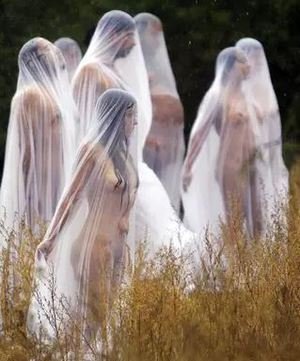
Dario Nardella is an Italian politician who has been the first Metropolitan Mayor of Florence since 1 January 2015.
On February 1, 2020, Nardella encouraged Italians to “hug a Chinese” in a bid to overcome xenophobia and racism in the wake of the Hubei COVID-19 epidemic.
Twitter (2020)
At the other side of the Atlantic, in the 9th of February, Mark D. Levine, the chair of New York City Council health committee, appealed the population to join the Chinatown ceremony ahead of the Lunar New Year, saying “If you are staying away, you are missing out!”
Twitter (2020)
Dr. Giorgio Palù, the former President of the European and Italian Society for Virologya and a Professor of Virology and Microbiology at the University of Padova, expressed concern over the Italian government’s inadequate response to the virus, a grave flaw that has continued since the onset of the outbreak, in a CNN interview.
Currently, Italy is leading globally with over 6,000 deaths.
He alleges the government was “lazy in the beginning… too much politics in Italy.
There was a proposal to isolate people coming from the epicenter, coming from China.
Then it became seen as racist, but they were people coming from the outbreak.”
Even according to the leftist CNN, fear of being viewed as racist “led to the current devastating situation.”
The National Pulse (March, 2020)
[this review is about Paterson (2016), Directed by Jim Jarmusch]
White t-shirt, blue shirt, Paterson wakes up, drives his urban bus, comes home, dines with his Persian muse, takes the dog for a walk and stops off for a beer at his neighborhood bar.
Paterson raison d'être is his solitary poetry, written on his secret blank notebook.
Written by him, for him, with no grandeur aspiration.
But Laura, Paterson's "better half", isn't real. She is an illusion, a product of Paterson's imagination.
Laura never interacts with the outside world, she only appears inside the house.
Even in the house, at the bedside table, there are photos of Paterson in a military uniform, his parents (maybe?) and the dog.
Laura isn't there. When Paterson says to Doc, the local bar owner, that Laura will sell cupcakes at the farmer's market and that he should go there, Doc looks surprised and shocked, saying that he can't because he has the chess tournament.
He was clearly perturbed, does he know that Paterson lives inside his mind, in a schizophrenic reality, where Laura is a product of his imagination?
When they go to the cinema, the only moment the two are together outside the house, Paterson stares at the couples in the cinema, with their hands joined, and he looks mystified and confused.
The main actress of the movie they are seeing is almost equal to Laura.
He says that when they are coming home: "You look like her. You guys could be twins."
She is equal because that's what Paterson sees, his mind projects Laura everywhere.
She is the poet's Muse. Almost all of Paterson poesy is about her and their daily life.
He is a poet trapped in the daily austere routine of conducting a bus, only interrupted by a midday sandwich.
Instead, she paints, she plays guitar, she cooks, she even manages to sell cupcakes!
She is beautiful and fully devoted to him.
She is always encouraging him to publish his poetry: "You know that I know your poetry is really, really good."
She is always smiling and friendly even when he is gloomy and resigned.
She is always there when he needs it, when he finishes writing his poems.
She is perfect for him, because she is him.
 (2019)
There is a concept in sociology and evolutionary sciences for that obsession with constantly improving known as the Red Queen principle, which is the amount of energy it takes to maintain our social status (from Alice in Wonderland’s Red Queen, who says that “it takes all the running you can do, to keep in the same place”).
In programming, this is represented by the constant background learning required just to maintain an up-to-date knowledge of the field.
TechCrunch (2018)

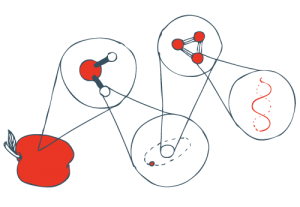
In Classical Mechanics, it is "built in" from the very beginning that there is a potential energy function.
But why?
The answer can be traced to the laws of quantum mechanics and to the origin of forces in field theory.
So, why quantum field theory? At some point we have to give up and say that's just the way it is.
Or, not give up and push on.
[Classical Mechanics: The Theoretical Minimum (2014)]
[Conservative?]
I am ceaselessly amazed, as I look at our media, political parties, schools and universities, how formerly conservative people and institutions have adapted themselves to ideas, expressions and formulations which they once rejected and confidently mocked.
Almost everything that was once derided as the work of the 'loony left' or 'political correctness gone mad' is observed daily in grand, expensive private schools and is the official policy of the Conservative and Unionist party, or soon will be.
I am too keenly aware of the good things which have been utterly lost in recent years to be comforted by what looks like an attempt to reconcile us with the revolutionary order.
Peter Hitchens (2018), The Spectator
At long last, some Conservative British MPs are raising their standard for conservatism: up to 40 Conservative MPs will refuse to accept the "unconscious bias training" intended to tackle racism in the Commons, accusing the parliamentary authorities of "pandering to the woke agenda".
Such training is not intended to address racial prejudice.
It's intended instead to coerce conformity with approved attitudes — in this case, the anti-white racism of Black Lives Matter, which BLM uses to further its openly-stated agenda of undermining and overthrowing western society.
"Unconscious bias training" is based on the Marxist concept of "false consciousness".
Its sinister, Kafka-esque goal is to persuade people that they are really odious on account of views they don't even know they have — and the very fact that they don't know they have these views, or worse still deny having them, is proof of just how odious they are.
Nevertheless, this onslaught on freedom, rationality and western cultural identity is being ruthlessly applied in companies, public sector bodies and other institutions around Britain and the west.
And in Britain, it's being enforced by a Conservative government.
It can't be stated too strongly that if conservatives don't conserve what is valuable, true and decent about our society they aren't conservatives at all.
Melanie Phillips (2020)
Police investigating the shooting at a Quebec mosque that killed six have narrowed down their list of suspects to one man, Alexander Bissonnette, a student at the city’s Laval University.
A nongovernmental counter-terrorism organization reported that his likes on Facebook included President Donald Trump, French politician Marine Le Pen and the Israel Defense Forces.
Forward (2017)
There are thousands, if not millions, of ethnically Whites around the world looking for guidance and protection in this multisomething western world and personalities like Trump, LePen or Putin are just filling the void.
Europe is no longer the land of the Whites, while China still is the land of the Han or Japan still is the land of the Japanese for exemple, so they are starting to feel "without an Israel".

[review of The Strange Death of Europe: Immigration, Identity, Islam (2017), by Douglas Murray] Douglas Murray, a gifted chronicler, wrote this detailed and factual description of all the events and all the pro (and contra) intelligentsia engaged, since the end of Second World War up until 2017, in the creation of the present multicultural Western Europe, fragmented by nightmarish ethnic and religious divisions. As a Portuguese living in Lisbon, I can totally relate with it. It is a colloquial and easy reading, more like an insightful magazine article than an actual book. I enjoyed the philosophical and personal reflections of the author, almost a need for venting his despair at Europe's existential tiredness. Nevertheless, I didn't like his attempt to build an ethnic Pan-Europeanism across the globe, that doesn't exist, and his obsession with Christianity as the necessary back to basics, that it isn't. The sad conclusion is that the European settlement, drawn up from ancient Greece and Rome, catalysed by Christianity and refined by the Enlightenment, is an inheritance that Europeans in a matter of decades lost forever. In the end, Douglas Murray hits the bull's-eye: we, Indo-Europeans, are still here, all around us we have the wreckage, metaphorical and real, of all our dreams and aspirations, so what do we do next without a homeland? (2017)
Vá à rua e pergunte a todos estes que estão a encher Lisboa de merda por Virgílio e Platão.
Estão em Lisboa, sabem quem é Pessoa, Camões, Saramago, Lobo Antunes, Portugal, América, Henrique, o navegador?
Não fazem ideia, nem querem saber. Estão aqui porque Lisboa está na moda e é a viagem turística mais barata nas agências de viagem.
Alguns de nós erguem barricadas com livros, com cultura, com memória. Educamos os filhos para que resistam, para a sua felicidade pessoal.
Mas já não há salvação.
O Ocidente não vai sobreviver.
Somente sobreviverão os pequenos mosteiros como na Idade Média, quando os bárbaros invadem o mundo.
É nesses sítios que ficam as bibliotecas.
Todos temos de trabalhar, não para salvar o Ocidente, que está perdido, mas para salvar esses mosteiros onde se conservam as bolsas do bom que temos tido.
Temos de educar os nossos filhos para que sejam capazes de formar o seu pequeno mosteiro, a sua pequena trincheira, o baluarte onde se reunir, ler, recordar.
O esforço deve encaminhar-se para eles, salvar os que merecem ser salvos.
Arturo Perez-Reverte (2018)
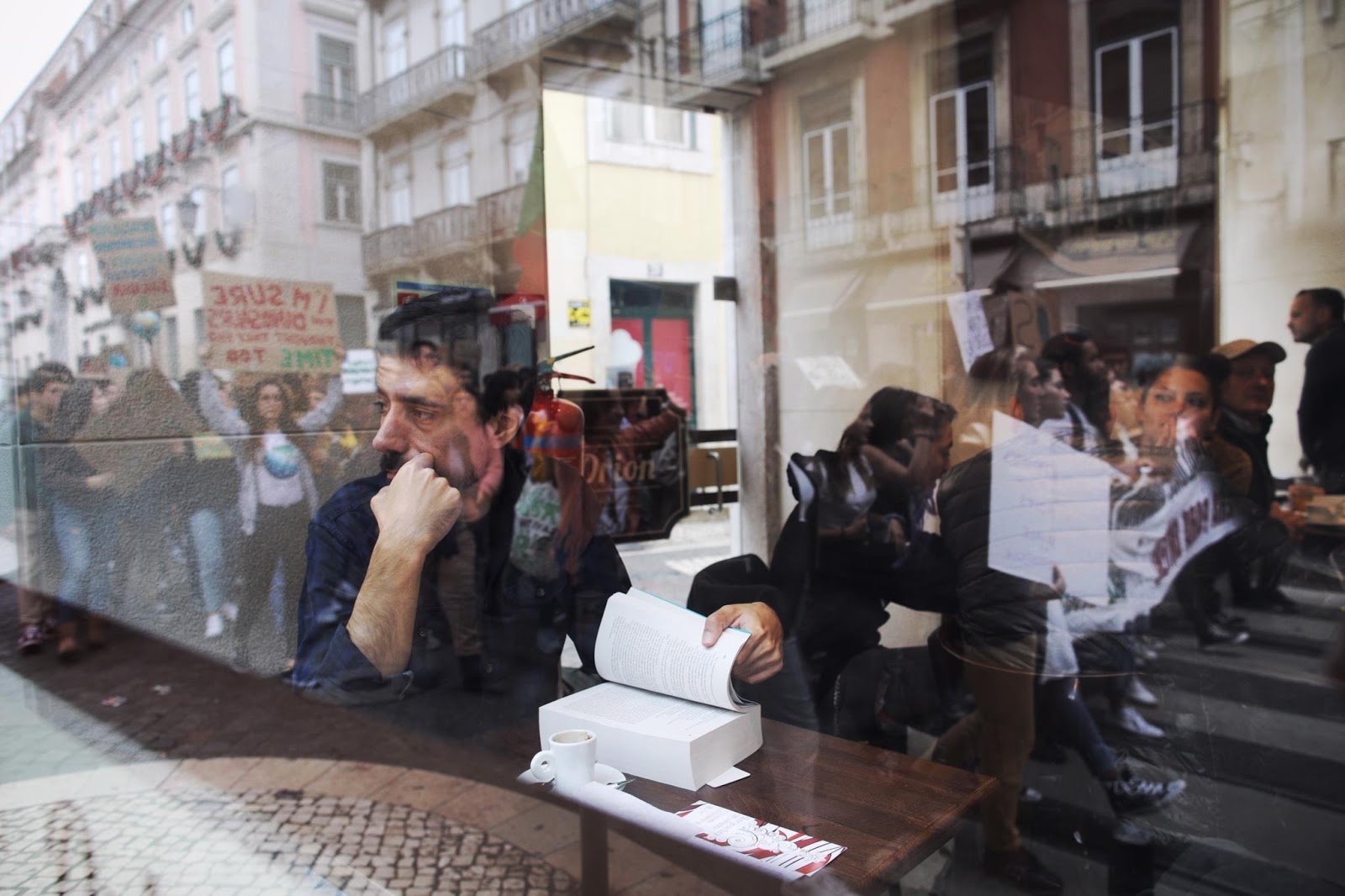
The National Security Strategy sees the US President Donald Trump outline his vision for the world and how he will wield US military and economic power to work towards it. Focusing on Europe, it asserts that if current trends continue the continent would be "unrecognisable in 20 years or less" and its economic issues are "eclipsed by the real and more stark prospect of civilizational erasure". "It is far from obvious whether certain European countries will have economies and militaries strong enough to remain reliable allies," the document states. It also accused the European Union and "other transnational bodies" of carrying out activities that "undermine political liberty and sovereignty", said migration policies were "creating strife" and said other issues included "censorship of free speech and suppression of political opposition, cratering birthrates, and loss of national identities and self-confidence. BBC (2025)
Sub-Saharan Africa, which represented only 7% of the world's population in 1900, owes its reduction in infant mortality and increase in life expectancy primarily to colonial medicine. The establishment of hospitals and bush clinics, along with the expansion of vaccination campaigns, made it possible to eradicate plague and yellow fever, reduce the ravages of malaria and leprosy, and control smallpox and sleeping sickness. This support continued, in other forms, from the 1960s onward, driven by the WHO, USAID, UNICEF, Doctors Without Borders, and others. Since decolonization, Africa has benefited from the products of industrial civilization, from vaccines to mobile phones, without participating in it. The African continent has largely preserved its traditional customs, never adapting to the major shifts of global capitalism. In 2025, Sub-Saharan Africa's population is projected to be around 1.26 billion, making up roughly 15% of the world's population. Loup Viallet in Revue Éléments (2025)
It would be naive to approach the subject of aesthetics as though the Marxist tradition had played no part in defining it.
Versions of the Marxist critique continue to exert their influence over the humanities, as these are studied in English and American universities.
And in all versions the critique presents a challenge.
If we cannot justify the very concept of the aesthetic, except as ideology, then aesthetic judgement is without philosophical foundation.
An ideology is adopted for its social or political utility, rather than its truth.
And to show that some concept - holiness, justice, beauty, or whatever - is ideological, is to undermine its claim to objectivity.
It is to suggest that there is no such thing as holiness, justice or beauty, but only the belief in it - a belief that arises under certain social and economic relations and plays a part in cementing them, but which will vanish as conditions change.
[Roger Scruton, Beauty (2009)]
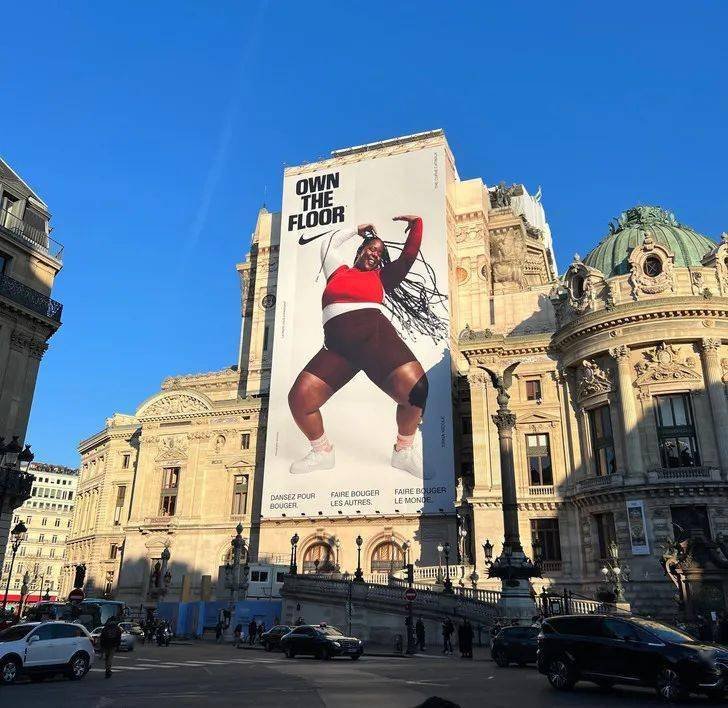 Opera Garnier, Paris, 2021
[review of the book The Madness of Crowds: Gender, Race and Identity (2019), by Douglas Murray] "We all live in the campus now". In the 1960's, a group of US based intellectuals championed by Laclau, Foucault and McIntosh started a new movement against Western civilisation that today still isn't clearly defined: cultural-marxism, social justice warriors, intersectionality, post-modernism, woke… The point is that Western society is terribly oppressive, and has a face of a White Cis Male, and only by politicising and weaponising the basic identities of an individual (race, gender, sexuality) it can be overthrown. Douglas Murray made a terrific investigation job and trough a series of events, where he puts names, places, institutions, dates, we can understand how the fight for equality is in fact a fight for "equal, but better": gay couples are better that straight ones raising a child; black people work harder than privileged whites; only a female leader can prevent incompetent males from starting an economic crisis. He also brilliantly describes the philosophical and pseudoscientific roots of this movement. Disappointingly, Douglas Murray never has the courage to make the connection between the demographic transition in the West from White homogenous countries to multicultural, multiracial ones, and all this "madness". Maybe the reason why Identity Politics is so appealing is precisely because it can be used as a power grabbing ideology against the (still) White majority in the West. (2020)
 2025
2025
Chris Minns, Premier of New South Wales, Australia, has done something that politicians rarely do — he’s said the quiet part out loud. In a rare moment of honesty, he’s admitted that the government sees free speech as a liability. “I recognize and I fully said from the beginning, we don’t have the same freedom of speech laws that they have in the United States, and the reason for that is that we want to hold together a multicultural community and have people live in peace.” Meaning: Your rights are negotiable, and the price is social harmony — as defined by the state. Reclaim The Net (2025)
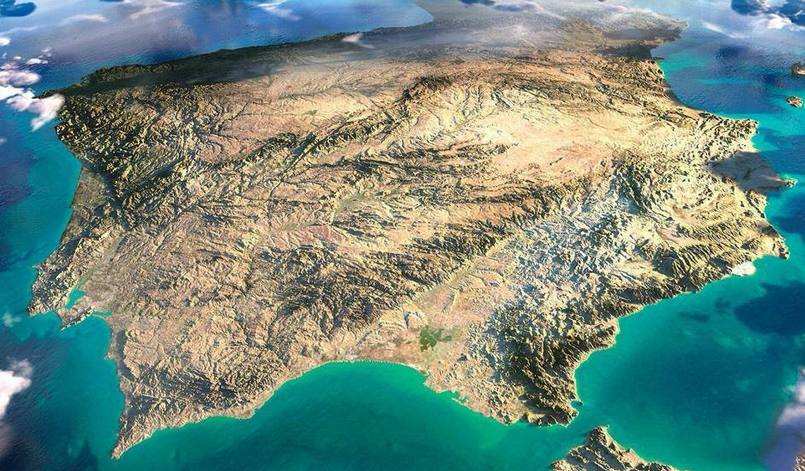
Os independentistas propõem a evolução constitucional da Espanha para uma confederação hispânica, que pode estimular as correntes iberistas tanto na Espanha, como em Portugal, e adicionar às dinâmicas de fragmentação as estratégias de integração peninsular.
[Carlos Gaspar (2017)]
A motivação para o começo do ciclo do império português foi peninsular, como contrapartida a um excessivo peso continental.
Cerca de quinhentos anos mais tarde, com o fim do império, a função de garantia da independência nacional que tinha desempenhado o apoio marítimo atlântico recaiu essencialmente sobre a Europa, que garantiu as condições de relacionamento externo e de financiamento do desenvolvimento do país durante cerca de 30 anos, até à actualidade.
No entanto, na nossa península, regressaram com uma força surpreendente dois tipos de nacionalismo, com objetivos contraditórios, que se enfrentaram nas ruas, na arena política, e nos tribunais: o centralista e o catalão.
O reaparecimento do nacionalismo centralista espanhol não aparenta limitar-se, no entanto, a querer manter as fronteiras atuais do estado espanhol.
Ao que parece, pretende também alcançar um objetivo com séculos de antiguidade e igual número de frustrações: a unificação peninsular.
A revista "Diplomacia siglo XXI", órgão da Academia da Diplomacia espanhola, cujas armas se baseiam "en el escudo del rey de España Felipe II", no centro das quais se ostenta o escudo de Portugal, e onde escreveram recentemente o primeiro-ministro espanhol e o ministro de relações exteriores, publicou uma edição dedicada ao "Paniberismo e iberofonia", onde um conhecido iberista, Álvaro Durantez, mereceu honras de primeira página para discorrer sobre "Paniberismo e Iberofonia".
Assim, aparecem algumas interrogações: qual o papel do Ministério dos Assuntos Exteriores espanhol no apoio à documentação iberista produzida pela Academia da Diplomacia Espanhola?
Qual a posição da Fundação Luso-Espanhola na "colaboração" que deu à edição do número sobre a península ibérica da revista, no qual aparece na contracapa?
Não haja dúvidas, sem Ceuta, sem o Império, regressamos à geopolítica peninsular onde tudo começou, e onde atualmente pontuam as referidas forças centrípetas.
Não haja ilusões: o apoio à fragmentação peninsular crescerá de forma diretamente proporcional à pressão iberista.
Luís Ribeiro no Observador (2018)
A visão cristã de que o homem nasceria imperfeito, mas poderia e deveria buscar pessoalmente a perfeição foi primeiramente questionada e depois trocada pela visão romântica de que o homem nascia naturalmente bom, mas era corrompido e transformado em mau por viver numa sociedade má.
[Theodore Dalrymple]
Em Portugal, Catarina Marcelino, secretária de Estado para a Cidadania e Igualdade, diz que "temos uma base cultural que precisa de uma intervenção grande, uma sociedade machista que é preciso mudar".
Como não pode entrar na casa de cada português para mudar mentalidades e derrubar estereótipos de género, a secretária de Estado arranjou uma chave alternativa: a introdução da Educação para a cidadania nos currículos do ensino público desde o pré-escolar.
Catarina Marcelino vê esta alteração curricular como o motor de ignição de uma catadupa de mudanças estruturais na sociedade portuguesa a longo prazo.
"A escola pública forma pessoas, e formar pessoas não é só ensinar matemática.
A igualdade de género vai influenciar o combate à violência doméstica porque deixam de existir desigualdades nas relações de poder.
Daqui a dez anos já haverá efeitos sociais positivos", acredita a secretária de Estado.
Expresso (2017)
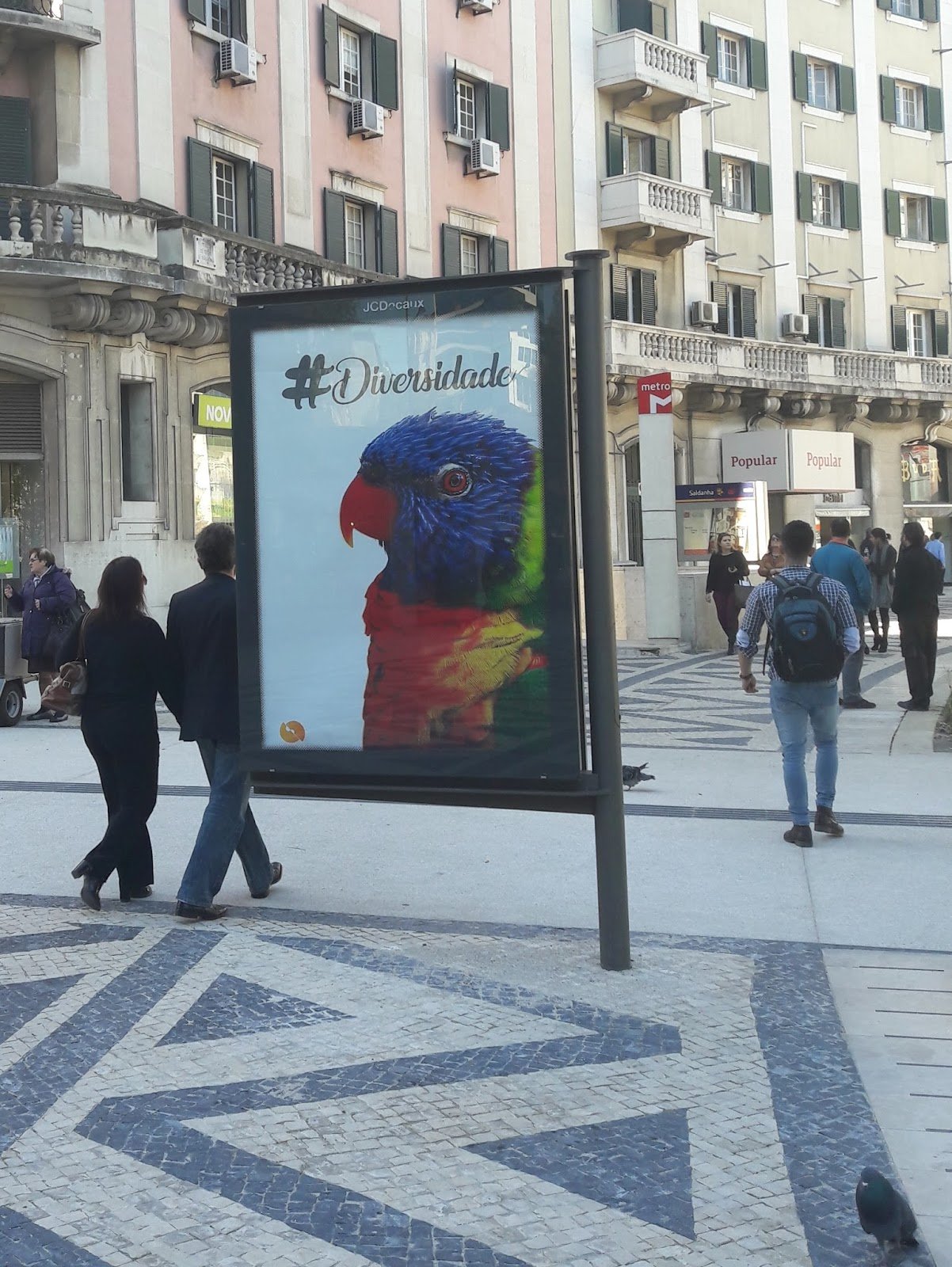 Saldanha, Lisboa (2017)
[The Man Who Sold The World] Lyndon B. Johnson.
Lyndon Baines Johnson (1908 - 1973), served as the 36th president of the United States from 1963 to 1969.
A Democrat from Texas, he assumed the presidency following the assassination of President John F. Kennedy.
In 1964, he announced his plans for what he called “the Great Society,” a sweeping set of programs that marked the biggest expansion of the federal government ever, but his most impactful legislative act was the passage of the Immigration and Nationality Act of 1965.
It changed the face of the US forever.
At the time, immigration was based on the national-origins quota system in place since the 1920s, under which each nationality was assigned a quota based on its representation in past U.S. census figures.
The civil rights movement’s focus on equal treatment regardless of race or nationality led many to view the quota system as backward and discriminatory.
During Congressional debates, a number of experts testified that little would effectively change under the reformed legislation, and it was seen more as a matter of principle to have a more open policy.
Indeed, on signing the Immigration and Nationality Act into law in 1965, President Lyndon B. Johnson stated that the act “is not a revolutionary bill.
It does not affect the lives of millions. It will not reshape the structure of our daily lives or add importantly to either our wealth or our power.”
In reality, the passage of this legislation completely changed the face of the USA.
It opened the doors to people from all nations, prohibiting discrimination based on national origin, abolishing the earlier quota system based on national origin.
Immigrants from Asia and Africa now had the same chances to immigrate to the U.S. as immigrants from Western Europe.
Since then, the nation’s foreign-born population has grown from 9.6 million in 1965 to 45 million in 2015, with about half coming from Latin America and a quarter from Asia.
As a direct result, the US’s population was one-third minority in 2009, and is on track for a non-White majority by 2042.
(2020)
It is the deep irony of our times that readers, often deeply educated, will shell out $30 for a meal in New York or San Francisco while paying thousands in rent, only to avoid paying a few bucks a month for a publication, let alone ten.
[Danny Crichton (2018)]

[Deixe o Barro Secar] Certa vez, uma menina recebeu um brinquedo novo no dia do seu aniversário. Na manhã seguinte, uma amiga foi até a sua casa para brincar. Mas a menina não podia ficar com a amiga, pois tinha que sair com a mãe. A amiga pediu que a menina a deixasse ficar a brincar com seu brinquedo novo até que ela voltasse. Ela assim o fez. No entanto, quando voltou a casa, a amiga já não estava lá e o brinquedo estava partido! Ela ficou furiosa e quis ir à casa da amiga pedir explicações! Mas a mãe ponderou: "Lembras-te quando o teu sapato ficou sujo com lama? Querias o limpar imediatamente, mas a tua avó não deixou. Ela avisou para primeiro deixar o barro secar pois depois ficaria mais fácil limpar. Ora, com a raiva é a mesma coisa. Deixe primeiro a raiva secar, depois resolva a situação." Mais tarde a campainha tocou: era a amiga, que pediu desculpa e tinha comprado um brinquedo novo para oferecer. A menina agradeceu e respondeu: Não faz mal, a minha raiva já secou! (2020)
[Portugal Liberal]
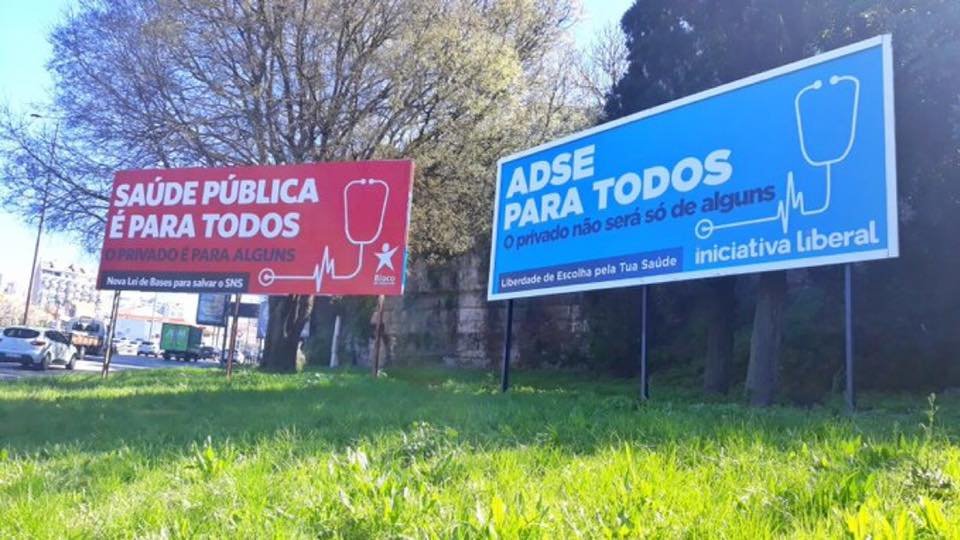 (2019)
[Portugal, a Zona Económica]
O patriarca de Lisboa considera que o aumento dos estrangeiros em Portugal não coloca em causa a matriz cristã da sociedade portuguesa e criticou os católicos que são contra os imigrantes, por desrespeitarem os ensinamentos de Cristo.
Rui Valério salientou que o catolicismo e a cultura cristã são "forte promotor da mentalidade universalista" e a presença de muitos imigrantes de outras religiões não diminui o cariz cristão e católico dos valores morais da sociedade portuguesa.
"Porque essa tal matriz a que se refere está no coração das pessoas e não é isso que está em questão", resumiu o responsável do patriarcado.
Sobre os imigrantes de outras religiões em Portugal, Rui Valério saudou a convivência e o respeito que têm pela fé católica, dando o seu próprio exemplo pessoal, quando contacta com essas comunidades.
Em ocasiões de distribuição de comida aos carenciados nas ruas de Lisboa, muitos crentes de outras religiões "olham para mim e vêm pedir a bênção", exemplificou, salientando que tem ouvido muitas histórias pessoais.
Expresso (2026)
“Não há portugueses puros, só portugueses diversos na sua riqueza cultural”: este foi o mote de Marcelo Rebelo de Sousa no discurso que proferiu no Parlamento Europeu, em Estrasburgo, no âmbito dos 40 anos da adesão de Portugal à União Europeia, e que arrancou aplausos entre os presentes.
O Presidente da República afirmou que “não há portugueses puros, há portugueses diversos”, frisando que o país se formou “num caldo de etnias, de culturas e de religiões”.
Jornal Económico (2026)
It starts with a trigger, a prod that propels users into a four-step loop.
Think of the e-mail notification you get when a friend tags you in a photo on Facebook.
The trigger prompts you to take an action—say, to log in to Facebook.
That leads to a reward: viewing the photo and reading the comments left by others.
In the fourth step, you inject a personal stake by making an investment: say, leaving your own comment in the thread.
This pattern kicks off a cycle that lodges behaviours in the basal ganglia, the part of the brain where automatic behaviours are stored and where, according to neuroscientists, they last a lifetime.
MIT Technology Review (2015)
Technologists like Tristan Harris, a design ethicist who is also a product philosopher at Google, warn that growth hacking, taken to its extreme, can encourage sites and apps to escalate their use of persuasive design techniques with potentially unintended consequences for consumers.
He compares online engagement maximisation efforts to the techniques some food companies have developed to hook consumers on a stew of fat, salt and sugar.
"The 'I don't have enough willpower' conversation misses the fact that there are 1,000 people on the other side of the screen whose job is to break down the self-regulation that you have," said Mr. Harris.
NY Times (2015)

Has anyone written a good essay about the whole "I believe in science and trust the scientists" phenomenon which is more a lifestyle brand than an actual belief in the scientific method, which is a process, not a set of facts handed down like the Bible?
Like the way science actually operates, you're constantly trying to disprove the things we think we know.
It's not like there's an authority and you listen to them because they've been handed religious truth.
Scientists know this but I think at least a portion of them have enjoyed the politicization of the field and won't point this out to the followers of the lifestyle brand version.
Twitter (2020)
The development of science relies on an open-ended orientation towards experimentation and the testing of ideas.
Science is an inherently skeptical enterprise and its findings are provisional, open to reinterpretation.
That's the theory. But in public controversies over policy and related matters, science often comes across as a moralizing project.
Many have adopted a defensive version of science that constantly targets doubts and uncertainties and their moralized interpretation of science is one where findings have a fixed, unyielding and unquestionable quality.
Frequently, they prefix the term science with a definite article, using "The Science" to assert claims about a variety of threats.
Statements like "The Science says" serve as the twenty-first-century equivalent of the exhortation "God said".
Unlike science, the term "The Science" serves a moralistic and political project.
The constant refrain of "Scientists Tell Us" serves as a prelude for a lecture on what threat to fear.
This leads to a defensive posture where scientists are reluctant to entertain the possibility that they might be wrong and that their critics might have a point.
Sadly, a science that cannot work with the assumption that it might be wrong has more in common with a religious dogma than with open-ended experimentation.
Such moralization of the imperative of fear has important implications for the conduct of public life.
By representing skepticism and criticism as a threat that deserves to be feared, disciples of "The Science" set in motion a cultural dynamic that is inherently hostile to the free and open exchange of views.
[Frank Furedi (2018), How Fear Works: Culture of Fear in the Twenty-First Century]
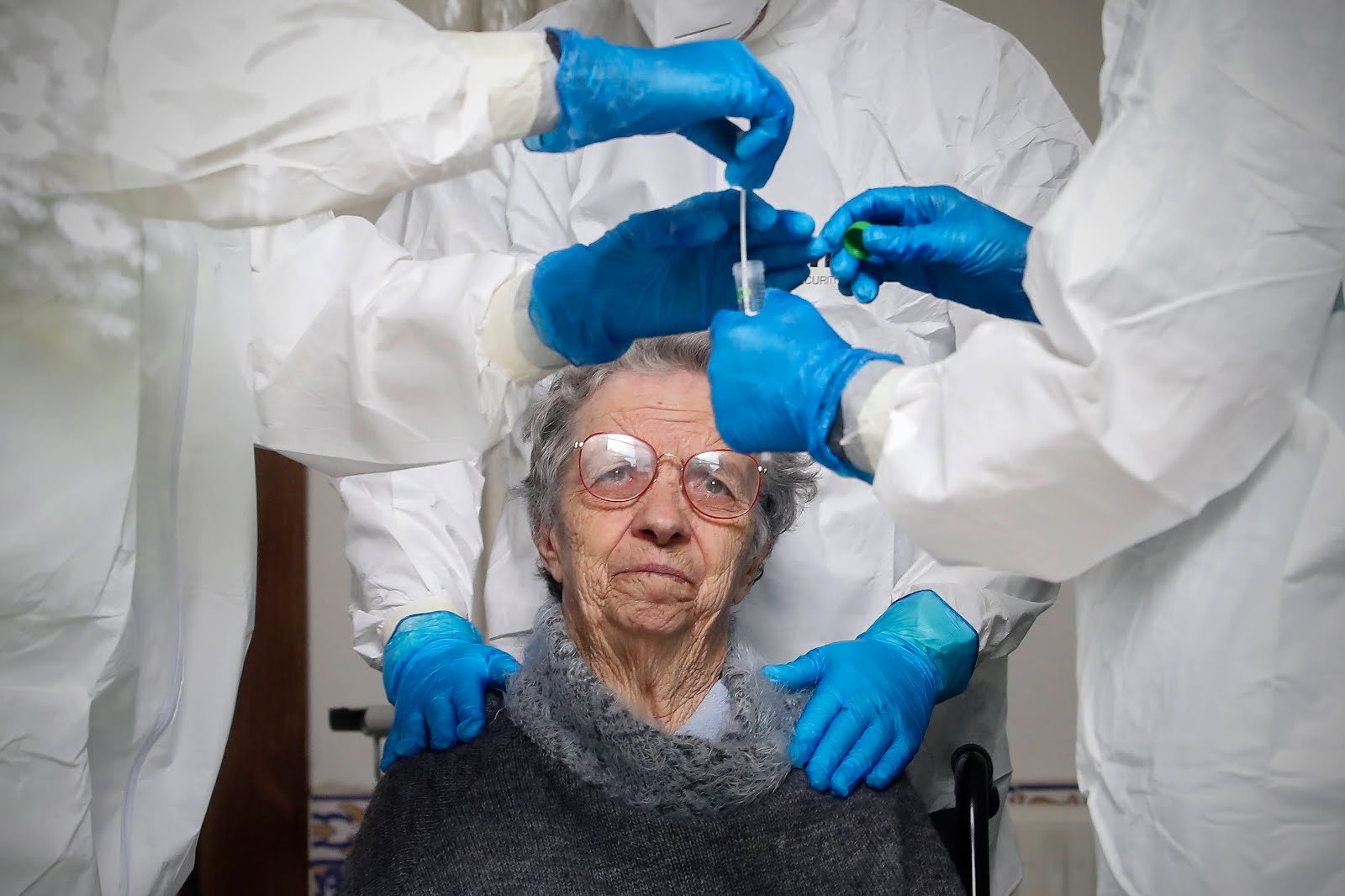
[Ponto de Situação em 2017]
O Inimigo Público resumiu o mundo, a Europa e Portugal em três títulos:
• Coreia do Norte choca o mundo ao lançar um míssil azul para os meninos e uma bomba cor-de-rosa para as meninas
• LIDL vai mudar o azul-e-branco das igrejas gregas para não ofender a religião benfiquista
• Secretário-de-Estado Pedro Nuno Santos assume publicamente que é gay, negro e refugiado.
Entretanto em Barcelona, na manifestação de homenagem às 15 vítimas mortais e aos 100 feridos dos atentados Islâmicos feitos na cidade:

The Chronicle of 754 (also called the Mozarabic Chronicle) contains the earliest known reference in a Latin text to Europeans (europenses), whom it describes as having defeated the Umayyad at the battle of Tours in 732. This is a rare, perhaps unique, usage of the term in that era, highlighting for the frist time a common european identity of the Frankish and Aquitanian forces, led by Charles Martel, over the invading Umayyad (Islamic caliphate) forces, led by Abd al-Rahman al-Ghafiqi, governor of al-Andalus. Its compiler was an anonymous Mozarab (Christian) chronicler, living under Arab rule in some part of the Iberian Peninsula. Since the 16th century, it has been attributed to an otherwise unknown bishop, Isidorus Pacensis but this attribution is now widely accepted as being the result of compounded errors.
Polls conducted before the European referendum indicated that ethnic minority voters were more likely to vote Remain.
However, there is data to suggest that the strength of euroscepticism within the British South Asian population was perhaps stronger than previously anticipated.
A number of jurisdictions with large South Asian populations delivered Leave votes, including Luton (56.5% Leave), Hillingdon (56.4% Leave), Slough (54.3% Leave) and Bradford (54.2% Leave).
All have South Asian populations of 25% and above.
It's not unreasonable to think that such Leave votes could not have been delivered without a significant number of Asian voters opting for Brexit.
Why did a number of middle-class South Asians (most notably those living in West London) not vote in a way which their socio-economic status would predict?
One reason might be that many voters within the British South Asian diaspora don't feel European.
When the Remain campaign sought to appeal to a sense of European identity, and warned that people were about to lose that identity, it didn't make for a particularly convincing argument.
First-generation migrants from India, Pakistan and Bangladesh were encouraged to integrate under a social policy based on the adoption of "British values".
Being absorbed into a "European collective" was never, in reality, really part of that integration process.
The pro-Commonwealth rhetoric coming from the Leave camp, on the other hand, would have pulled on the heartstrings of many South Asian voters.
The Commonwealth argument became particularly interesting when the Leave campaign talked about immigration.
Prominent Leave campaigners such as Michael Gove often claimed that the EU was essentially forcing Britain to implement a "racist" immigration system.
While predominantly white EU migrants were allowed to freely enter the UK, those from the Indian subcontinent were subject to visa and work restrictions.
Voting Brexit was seen as an opportunity to "level out" this in-built unfairness.
We still don't have much information about how specific groups voted in the referendum but what we can gather from the ward-level data is telling.
The Brexit voter is not just your dispossessed, lower-educated white Northerner.
They might also be your well-to-do, educated voter of Indian origin living in one of West London's leafier suburbs.
Roch Dunin-Wasowicz (2017) - London School of Economics
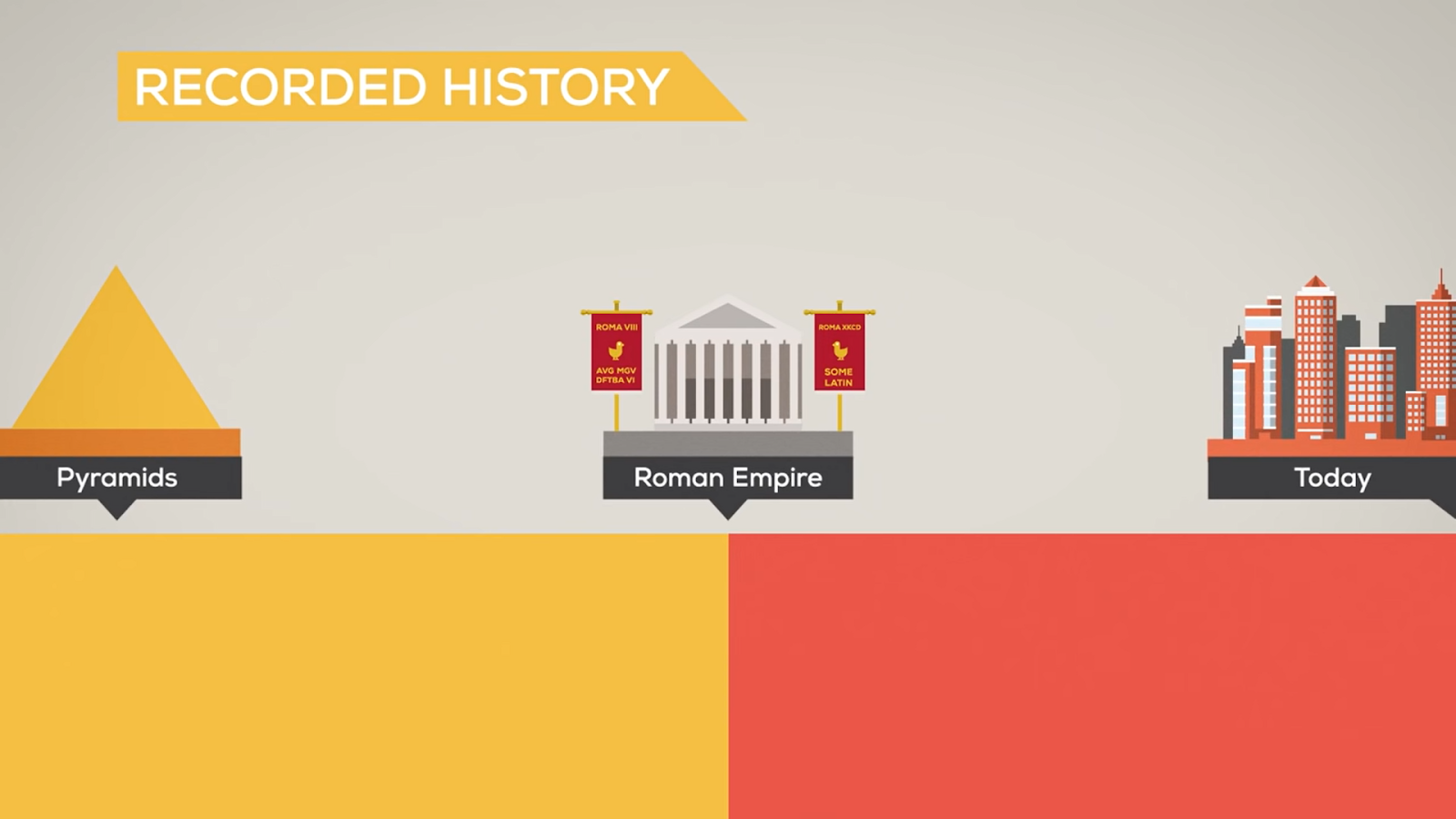 The pyramids were constructed 4,500 years ago.
The peak of the Roman Empire was 2,000 years ago.
So to the Romans, the pyramids were as old as the Romans are to us today.
By Kurzgesagt – In a Nutshell (2013)
Autarca de Almada (PS) acusa Governo (PSD) de ter acionado meios apenas para freguesia do PSD. Inês de Medeiros diz que Exército e LNEC foram acionados apenas para São João da Caparica, ignorando normas de proteção civil e outras zonas fragilizadas do concelho de Almada. Numa missiva esta segunda-feira enviada ao primeiro-ministro, ministro das Infraestruturas e Habitação, ministro da Defesa Nacional, ministra da Administração Interna e ministra do Ambiente e da Energia, a presidente da autarquia de Almada, a socialista Inês de Medeiros, acusa também o Governo de ignorar as normas da proteção civil, não contactando a própria câmara. Na missiva a que a agência lusa teve acesso, a autarca considera que poderiam ter visitado outros locais do concelho que inspiram iguais ou maiores preocupações considerando tratar-se “de um tratamento discricionário, guiado por interesses partidários em detrimento da salvaguarda das populações”, atitude que diz repudiar. “Se o país tem assistido com perplexidade à resposta caótica e descoordenada do Governo da AD face à tragédia das últimas semanas, em Almada ficou hoje bem presente um dos motivos dessa desarticulação: mais do que garantir uma resposta eficaz, atempada e institucionalmente correta, o Governo liderado pelo Primeiro-Ministro Luís Montenegro parece estar preocupado em salvaguardar autarquias lideradas pelo seu partido, como bem demonstra o voluntarismo que se seguiu à visita de deputados do PSD eleitos pelo círculo de Setúbal, que se deslocaram exclusivamente à área da Junta de Freguesia da Costa da Caparica”, acrescenta Inês de Medeiros. Observador (2026)
[Medo, Muito Medo!]
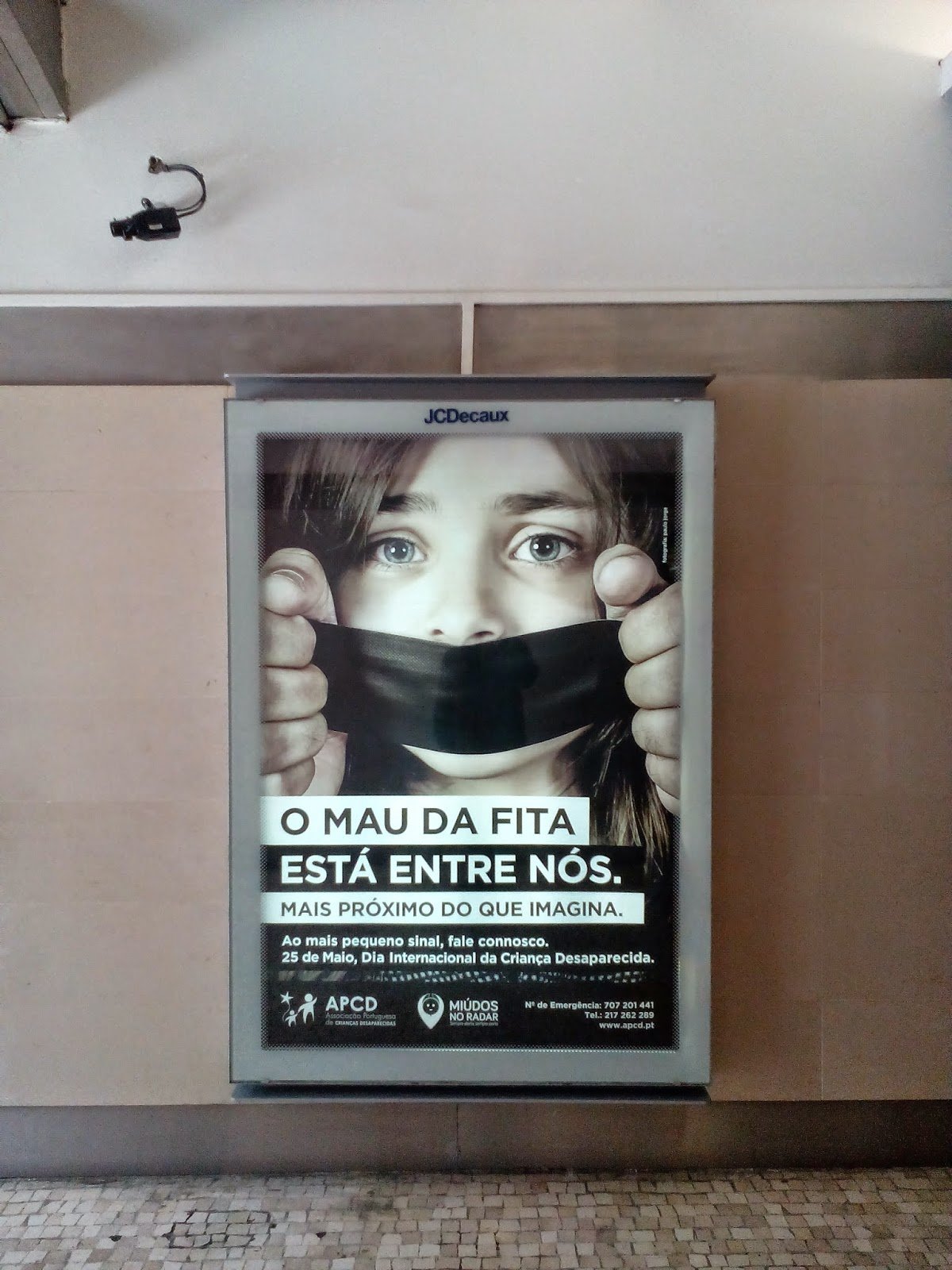 Campo Pequeno, Lisboa (2014)
[Anton Kannemeyer]
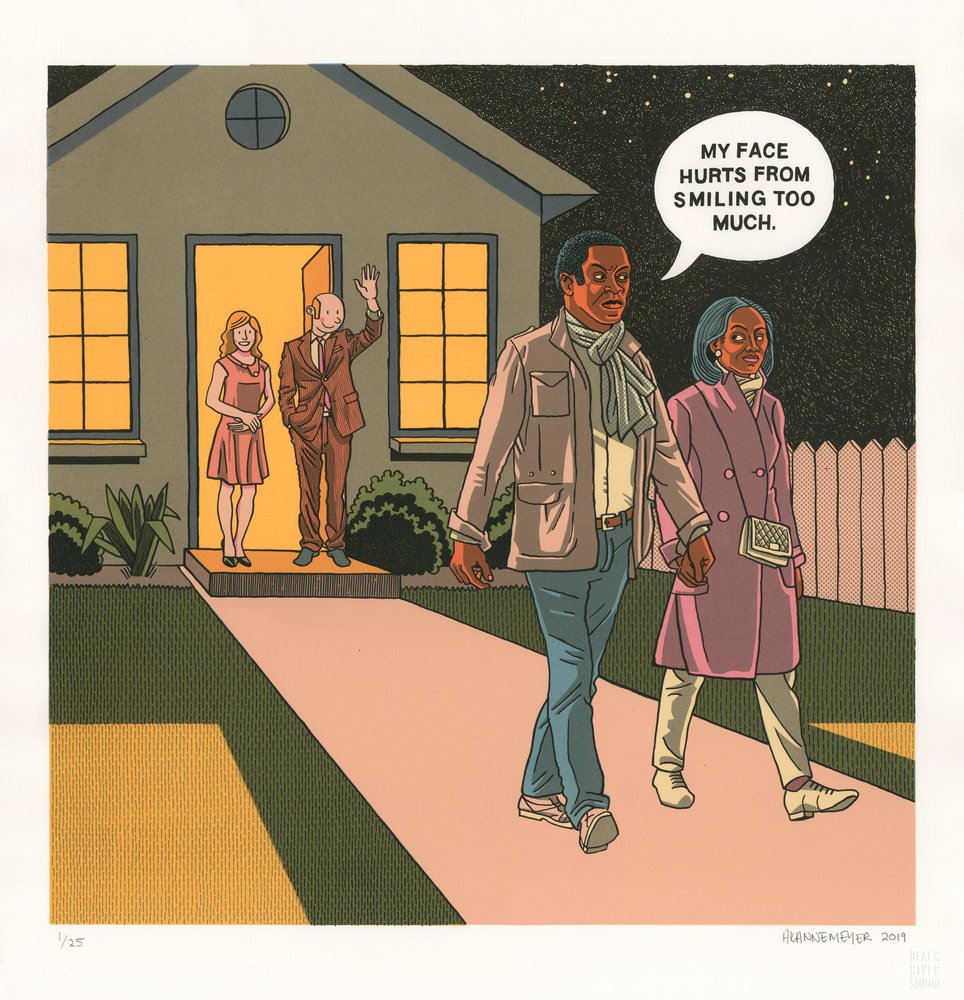 (2019)
[German Construction, Destruction and Reconstruction]
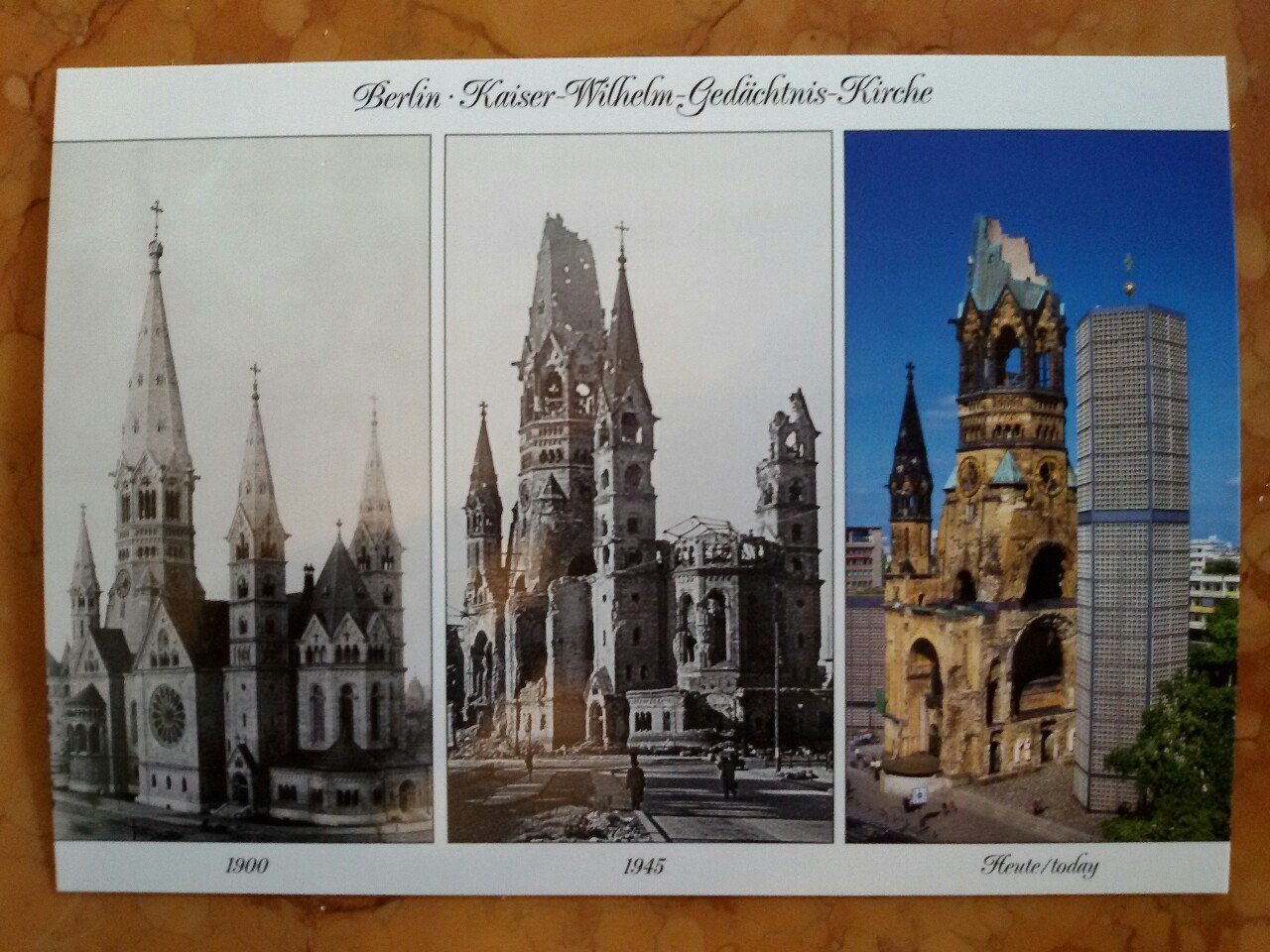 Kaiser Wilhelm Memorial Church, Berlin (2015)
[Critical Race Theory]
• Normal racism – Dehumanize, attack or discriminate against an ethnic group or individuals because they are of a specific race.
• Antisemitism – Dehumanize, attack or discriminate against Jewish people’s or individuals because they have too much privilege, power or wealth.
• Critical Race Theory – Dehumanize, attack or discriminate against White people’s or individuals because they have too much privilege, power or wealth.
(2020)