Notes From The Underground - III
No intervalo de meio segundo que decorre entre ouvirmos uma expressão até ao instante em que compreendemos o seu significado, o nosso cérebro divide as tarefas a realizar em quatro grandes etapas, iniciadas em locais distintos e que apesar de serem em grande parte temporalmente sequenciais, por vezes sobrepõem-se umas às outras e retroalimentam-se. Estas quatro etapas corresponderem às quatro grandes disciplinas em que se divide o estudo da linguagem desde os tempos de Aristóteles: a fonologia (estudo dos sons da língua), a sintaxe (estudo das relações entre as palavras), a semântica (estudo do significado das palavras) e a pragmática (estudo da influência do contexto na linguagem). [National Geographic Portugal, Segredos do Cérebro - A Linguagem (2024)]
O entusiasmo dionisíaco é capaz de comunicar a toda uma multidão de pessoas o dom artístico de se ver rodeado por uma horda de espíritos à qual sabe que se encontra profundamente unido. Este fenómeno surge com uma frequência endémica, e uma multidão de pessoas pode ser dominada por este estado de transe. Eis a razão pela qual o ditirambo é significativamente diferente de todos os outros coros. As virgens que entram solenemente no templo de Apolo, segurando ramos de loureiro e entoando hinos, permanecem as mesmas e mantêm os seus nomes de cidadãs; o coro ditirâmbico é um coro de pessoas transformadas, cujo passado cívico e cujo estatuto social são esquecidos por completo; tornam-se os intemporais fieis do seu deus, para lá de quaisquer contingências sociais. [Friedrich Nietzsche, A Origem da Tragédia (1872)]
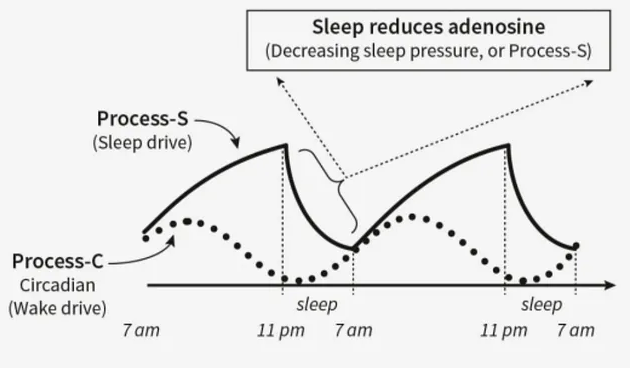
The 2 processes that affect our sleep: the Process-C, the circadian biological clock, and Process-S, the sleep pressure produced by the build up of adenosine.
The less gap between Process-S and Process-C, the more awake we are, and the more gap between the Process-S and the Process-C, the more need to sleep we feel.
[Why We Sleep (2017), Matthew Walker]
I do not know but it is too much to read one newspaper a week. I have tried it recently, and for so long it seems to me that I have not dwelt in my native region. The sun, the clouds, the snow, the trees say not so much to me. You cannot serve two masters. Shall the mind be a public arena, where the affairs of the street and the gossip of the tea-table chiefly are discussed? Or shall it be a quarter of heaven itself, an hypaethral temple, consecrated to the service of the gods? I believe that the mind can be permanently profaned by the habit of attending to trivial things, so that all our thoughts shall be tinged with triviality. We should treat our minds, that is, ourselves, as innocent and ingenuous children, whose guardians we are, and be careful what objects and what subjects we thrust on their attention. [Henry David Thoreau (1863), Life Without Principle]
If Rock Was An Image
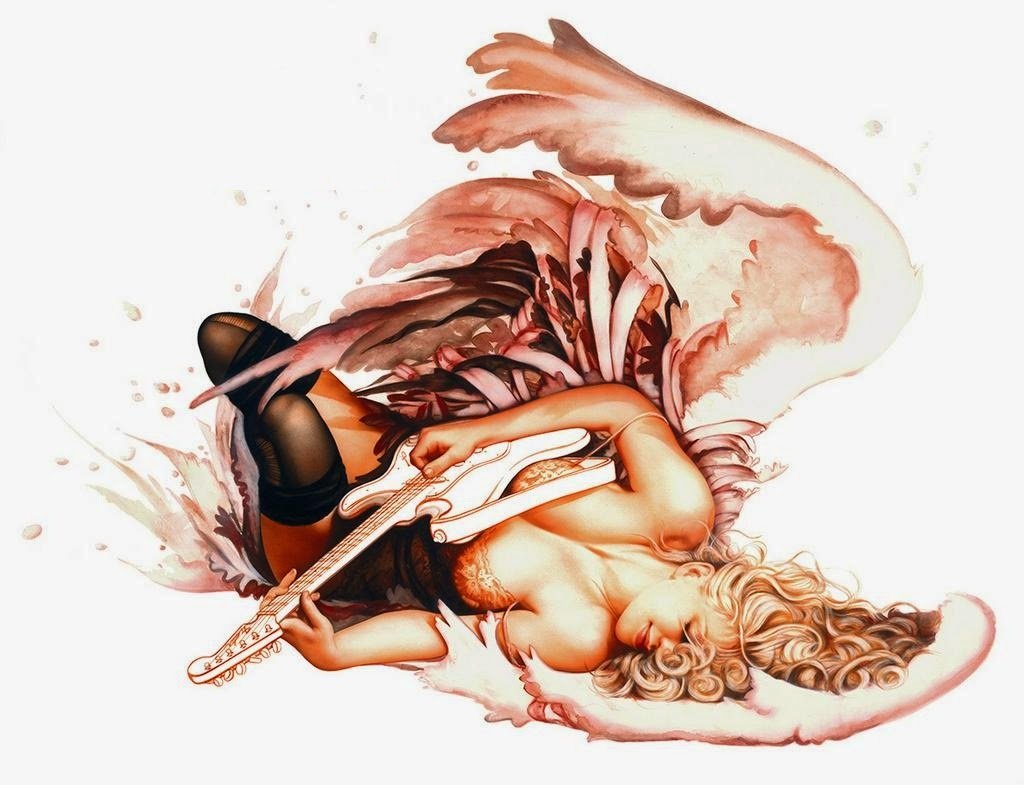 Courtney Love by Olivia De Berardinis (2014)
License, registration, I ain't got none
But I got a clear conscience 'bout the things that I done
Mister State Trooper, please don't stop me
Maybe you got a kid, maybe you got a pretty wife
The only thing that I got's been botherin' me my whole life
Bruce Springsteen [1982]
I don’t contend that extraordinary people are always bound to commit breaches of morals. I simply hinted that an ‘extraordinary’ man has the right... that is not an official right, but an inner right to decide in his own conscience to overstep... certain obstacles, and only in case it is essential for the practical fulfilment of his idea (sometimes, perhaps, of benefit to the whole of humanity). I maintain that if the discoveries of Kepler and Newton could not have been made known except by sacrificing the lives of one, a dozen, a hundred, or more men, Newton would have had the right, would indeed have been in duty-bound... to eliminate the dozen or the hundred men for the sake of making his discoveries known to the whole of humanity. But it does not follow from that that Newton had a right to murder people right and left and to steal every day in the market. [Raskolnikov] [Fyodor Dostoevsky (1866), Crime and Punishment]
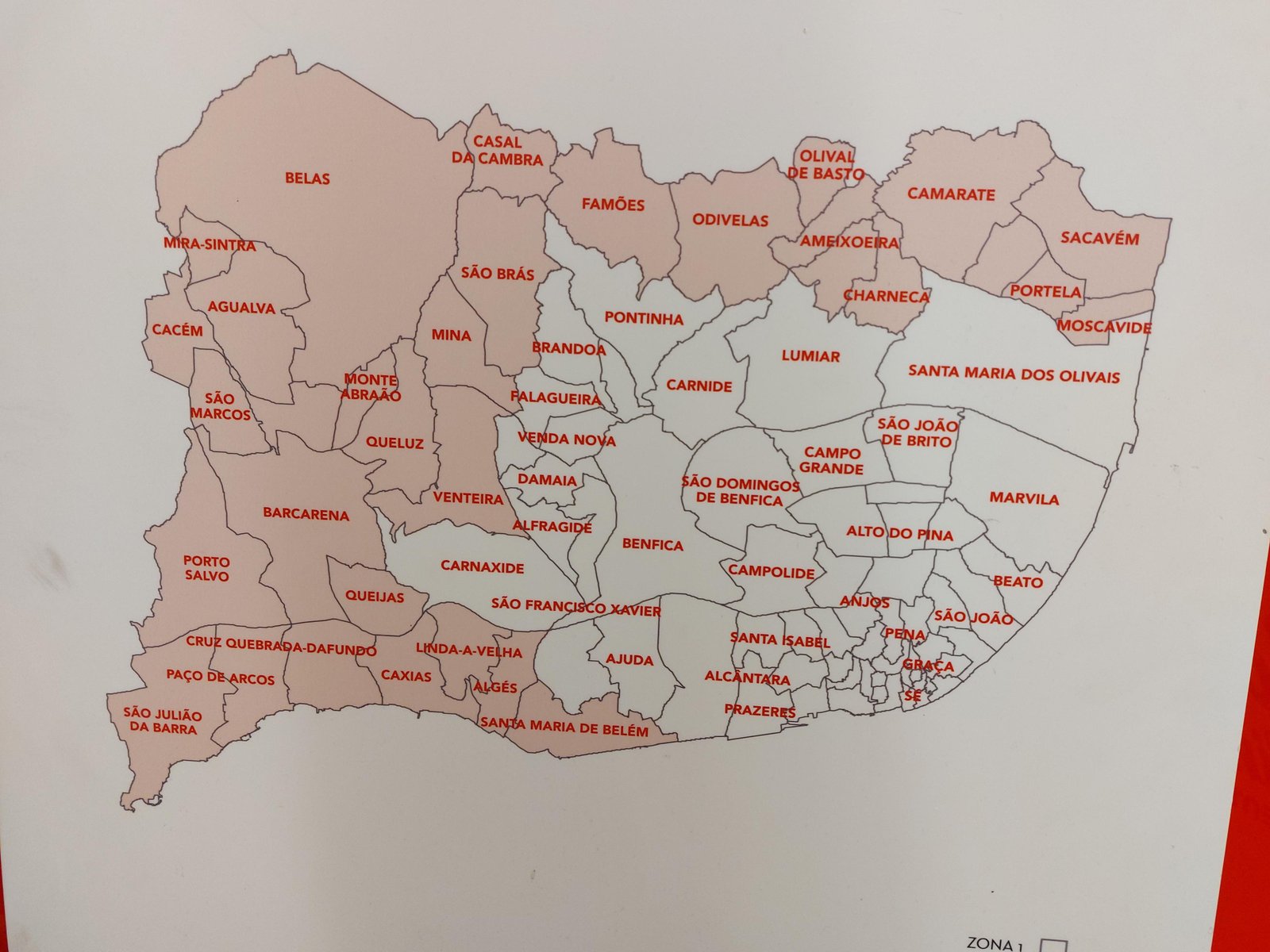
As Freguesias da Grande Lisboa
 (2022)
Engaged for billions of years in a relentless arms race with one another, our genes have finally outsmarted themselves. What awaits is not oblivion but rather a postbiological world; a world in which the human race has been usurped by its own artificial progeny. Our machines will mature into entities as complex as ourselves and eventually into something transcending everything we know, in whom we can take pride when they refer to themselves as our descendants. Unleashed from the plodding pace of biological evolution, the children of our minds will be free to grow to confront immense and fundamental challenges in the larger universe. [Mind Children: The Future of Robot and Human Intelligence (1990), Hans Moravec]
If youngsters are being deterred from starting their own businesses then they are hardly to be blamed.
Who wants to have to spend most of their time, effort and intellectual energy steering a path through a vast forest of regulations, directives and laws only to watch the taxman take a big, wet, juicy bite out of the little profit you have managed to earn.
And, to top it all off, you then switch on the TV or open the morning newspaper only to be told that you are ‘the enemy of the people’.
Contrast this with going for a job in the public sector which will give you a guaranteed income, a job for life and the steadfast loyalty and service of the political classes.
It’s a no-brainer.
Life is too short.
O Insurgente (2015)

No Agrupamento de Escolas de Carcavelos a regra é clara: Aqui não se chumba. "Em Portugal o chumbo é encarado como um castigo para o aluno que não trabalha. Mas na maioria dos casos não funciona. Se não comeram a sopa da primeira vez, não é por lhes servirmos uma segunda, exactamente igual, que vão passar a comer", declara o director Adelino Calado. É um exemplo do modelo defendido pelo órgão consultivo do Ministério da Educação, o Conselho Nacional de Educação, semelhante ao que vigora em países como a Finlândia ou a Noruega. Jorge Ramos do Ó, especialista em História e Psicologia da Educação, concorda: "Chumbar só serve para produzir culpa nos que reprovam, ao mesmo tempo que desresponsabiliza a escola." Já no ano passado (2014) o Banco de Portugal tinha defendido o mesmo quando o seu Departamento de Estudos Económicos concluiu que "a retenção numa fase inicial da vida escolar parece ser prejudicial para o desempenho educativo a longo prazo" e sublinhou que "poderá haver vantagem em substituir esta prática por programas alternativos de apoio" aos estudantes com mais dificuldades. Expresso (2015)
Os rituais são actos simbólicos. Transmitem e representam os valores e os regimes que tornam coesa uma comunidade. Geram uma comunidade sem comunicação, enquanto o que predomina hoje, é uma comunicação sem comunidade. Antoine de Saint-Exupéry descreve os rituais como técnicas temporais de instalação num lugar: “Os ritos são no tempo o que a morada é no espaço. Pois é bom que o tempo que transcorre não nos dê a sensação de que nos gasta e nos perde, como ao punhado de areia, mas nos realiza. É bom que o tempo seja uma construção. Assim vou de festa em festa de aniversário em aniversário, de vindima em vindima. Ao tempo falta hoje a estrutura sólida. Não é uma casa, mas um fluxo inconsistente. Esvai-se na mera sucessão dum presente pontual. Esfuma-se. Nada o detém. O tempo que foge não é habitável. [Byung-Chul Han (2019), Do Desaparecimento dos Rituais]
The 23-year-old Ukrainian refugee Iryna Zarutska was murdered on a train in North Carolina, USA.
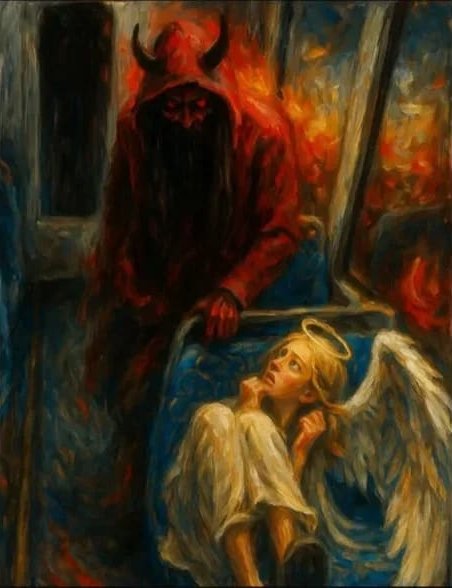 (2025)
[crítica do livro A Ideologia Afrocentrista à Conquista da História (2020), de François-Xavier Fauvelle, publicado pela Guerra & Paz] Originalmente publicado em 2009, o ensaio de François-Xavier Fauvelle sobre a ideologia Afrocentrista é, em 2020, ainda mais relevante. O Afrocentrismo coloca a nação Negra no centro da Humanidade e sua História, mesmo que para isso tenha de rescrever a mesma à sua imagem, como a invenção de um Egipto Negro. Alicerçada nas instituições dos EUA, que lhe conferem legitimidade e recursos, os Afrocentristas americanos pretendem exportar a sua nação negra para todo o mundo, incluindo África. As suas motivações não são universalistas ou humanistas, pelo contrário, são comunitaristas e segregacionistas, um nacionalismo de base étnico-racial. Fauvelle reconheceu nas recentes comunidades criadas na Internet uma base para a sua expansão, mas nem ele previu que em 2020 o complexo industrial de entretenimento e cultura dos EUA iria espalhar-se por todo o mundo via as produções da Netflix, Twitter, New York Times, The Atlantic, YouTube, Facebook, Disney, etc, e que com elas o Afrocentrismo ganhou ainda mais projeção e pujança: algo que acontece a um cidadão negro nos EUA leva agora a cidadãos (brancos) na Europa a ajoelharem-se poucos dias depois. Este ensaio pretendia alertar para esta corrente de supremacia racial que estava a crescer e, uma década depois, podemos dizer que está mais forte que nunca. Irá o Afrocentrismo definitivamente se estabelecer como uma ideologia maioritária e dominante no Ocidente?
Not even Tolkien’s vast philological scholarship, his deep knowledge of mythology, and his world-building skills could impress what Moorcock and company saw as a troublesome infantilism inherent in Tolkien’s work.
In a 1971 essay in New Worlds, the writer M. John Harrison acknowledges Tolkien’s position as the first and last word in fantastic fiction, but begs readers to look more closely, where they will see not the “beautiful chaos of reality” but “stability and comfort and safe catharsis.”
The New Yorker (2014)

[A Point of View: Why it's time to turn the music off by Roger Scruton (2015)]
In almost every public place today the ears are assailed by the sound of pop music.
In shopping malls, public houses, restaurants, hotels and elevators the ambient sound is not human conversation but the music disgorged into the air by speakers – usually invisible and inaccessible speakers that cannot be punished for their impertinence.
For the most part, the prevailing music is of an astounding banality – it is there in order not to be really there.
It is a background to the business of consuming things, a surrounding nothingness on which we scribble the graffiti of our desires.
Whole areas of civic space in our society are now policed by this sound, which drives anybody with the slightest feeling for music to distraction, and ensures that for many of us a visit to the pub or a meal in a restaurant have lost their residual meaning.
These are no longer social events, but experiments in endurance, as you shout at each other over the deadly noise.
There are two reasons why this vacuous music has flown into every public space.
One is the vast change in the human ear brought about by the mass production of sound.
The other is the failure of the law to protect us from the result.
For our ancestors music was something that you sat down to listen to, or which you made for yourself.
It was a ceremonial event, in which you participated, either as a passive listener or as an active performer.
With the advent of the gramophone, the radio and now the iPod, music is no longer something that you must make for yourself, nor is it something that you sit down to listen to.
It follows you about wherever you go, and you switch it on as a background.
It is not so much listened to as overheard.
The banal melodies and mechanical rhythms, the stock harmonies recycled in song after song, these things signify the eclipse of the musical ear.
For many people music is no longer a language shaped by our deepest feelings, no longer a place of refuge from the tawdriness and distraction of everyday life, no longer an art in which gripping ideas are followed to their distant conclusions.
It is simply a carpet of sound, designed to bring all thought and feeling down to its own level lest something serious might be felt or said. And there is no law against it.
You are rightly prevented from polluting the air of a restaurant with smoke; but nothing prevents the owner from inflicting this far worse pollution on his customers – pollution that poisons not the body but the soul.
Background music is the default position. It is no longer silence to which we return when we cease to speak, but the empty chatter of the music-box.
Silence must be excluded at all cost, since it awakens you to the emptiness that looms on the edge of modern life, threatening to confront you with the dreadful truth, that you have nothing whatever to say.
BBC (2015)
Calvin and Hobbes
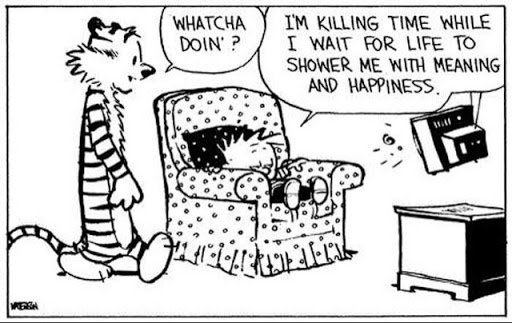 (2015)
Like the mood in August 1914, that of 1933 represented the actual power base of the coming Führer state.
There was a very widespread sense of release and liberation from democracy.
What is a democracy to do when the majority of the population no longer wants it?
There was a desire for something genuinely new: popular rule without parties, a popular leader figure.
[Sebastian Haffner, 1987]
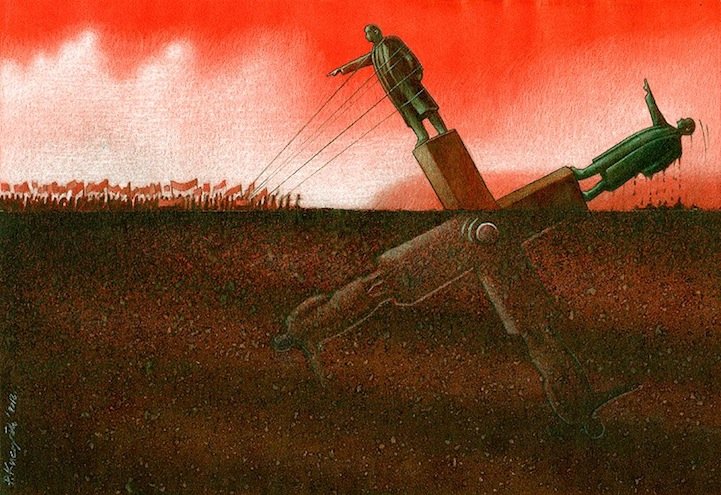 Pawel Kuczynski
"O investimento em Ciência e Tecnologia em Portugal passou de 0,5% do PIB em 1995 para 1,5% em 2011″, refere o livro "Ciência e Tecnologia em Portugal – Métricas e Impacto". Acrescenta também que "o número de novos doutorados por cem mil habitantes aumentou de 5,7 para 17,5 entre 1995 e 2011". Mas os autores alertam para a cautela com que se devem analisar estes dados. "Estes números não nos devem iludir. Portugal continua abaixo da média da União Europeia em aspetos fundamentais da sua atividade científica, tais como a quantidade e qualidade da sua produção científica e tecnológica." Além disso, há pouca transmissão do conhecimento para as empresas, um reduzido número de patentes e poucos doutorados a trabalhar nas empresas. Como o tecido empresarial não escoa a mão-de-obra qualificada, 80% continuam ligados à academia e muitos acabam por emigrar. Observador (2015)
[crítica do livro Florestas de cimento armado : os grandes conjuntos residenciais e a constituição da Metrópole de Lisboa (1955-2005) (2011), de João Pedro Silva Nunes, publicado pela Fundação Calouste Gulbenkian] Um fantástico estudo académico do crescimento urbanístico e populacional durante o século XX das vilas e territórios adjacentes à Lisboa clássica. Mesmo complicando sem necessidade por vezes e sem a presença mapas para contextualizar, a leitura é fácil e interessante devido à excelente organização da obra onde parte-se de uma análise geral à região de Lisboa e acaba-se na Reboleira, Amadora. É uma obra obrigatória para entender as identidades próprias de localidades pejorativamente rotuladas de subúrbios e combater o preconceito que Lisboa acaba na segunda circular. (ResearchGate) (2014)
Null, it is everywhere.
 (Colombo, Lisboa, 2013)
[White, Male and Talented? Too bad.]
Facebook diversity statistics show mostly white, male workforce: For its part, Facebook admitted that it has a lot of work to do to become more diverse, but said it’s committed to that goal.
CNET (2014)
Yahoo workforce at a glance: Mostly male, mostly white: “We’re in the business of building products for hundreds of millions of users worldwide and that starts with having the best possible talent: a Yahoo team that understands and reflects our diverse user base.”, Yahoo’s chief development officer said.
CNET (2014)
Google discloses its diversity record and admits it’s not good: “We’re not where we want to be when it comes to diversity.
It is hard to address these kinds of challenges if you’re not prepared to discuss them openly, and with the facts.
All of our efforts, including going public with these numbers, are designed to help us recruit and develop the world’s most talented and diverse people.”, Google said.
CNET (2014)
"…no topo de um monte redondo, fica a cidade de Lisboa, cujas muralhas descem em socalcos até à margem do rio Tejo, dele ficando separadas apenas por um pano de muralhas que assentam no chão." - Carta do Cruzado R., século XII
O Cruzado R. volta a Lisboa em 2015.
E já não vem de barco, mas sim de avião.
A sua descrição seria, de certo, bastante diferente. "…na margem norte do estuário do Tejo, estende-se a cidade de Lisboa, ocupando colinas, vales e planícies; com a ponta da sua palheta na praça do Terreiro do Paço, a cidade estende-se junto ao Tejo até Algés, em Oeiras, e até ao Sacavém, em Loures; são as pontas do arco que atravessa as localidades de Carnaxide, Amadora, Belas, Casal de Cambra, Odivelas, Santo António dos Cavaleiros e Camarate, delimitando o seu perímetro.
Tem a Baixa pombalina como seu centro histórico e o Saldanha como centro citadino; destacam-se ainda duas grandes manchas, o Monsanto e o Aeroporto."
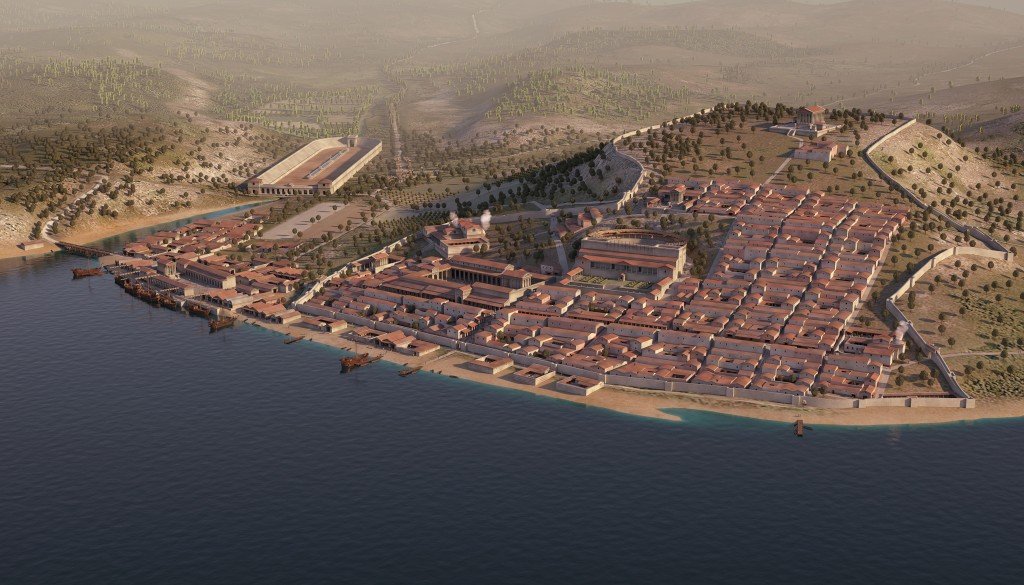 (Lisboa Romana, 2015)
Leadership and Management are two distinct concepts that are often used interchangeably, but they have different meanings and implications. While there is some overlap between the two, leadership is more focused on the big picture and long-term strategy, whereas management is concerned with the day-to-day implementation of plans and policies. Effective organizations need both good leaders and managers to succeed, as leaders provide the vision and direction, and managers ensure that the vision is implemented and goals are achieved. Brave Leo AI (2025)
A globalização está a transformar profundamente as sociedades europeias.
Trouxe fluxos humanos com uma magnitude e intensidade sem precedentes, de pessoas.
Na União Europeia, são os países mais ricos — e, dentro destes, as grandes cidades —, que atraem a sua larga maioria.
É um fenómeno essencialmente das grandes cidades dos países ricos, que se desligaram do resto do país nessas transformações.
Esta clivagem económica e cultural, mas também espacial, está a ter consequências políticas largamente subestimadas.
A Europa antes expandia-se continuamente para o exterior. Não existiam fluxos de migrações em massa dirigidos às suas grandes cidades.
Existe agora uma fragmentação da população em comunidades étnicas, religiosas ou culturais, que não se identificam umas com as outras.
A União Europeia pode ter perdido o Reino Unido no referendo, mas foi Londres quem perdeu a Inglaterra.
As massas inglesas não seguiram as recomendações da elite política, económica e cultural que as governa.
O problema é que Londres já não é a sua cidade. Nem a riqueza, nem a cultura são as suas.
Para muitos ingleses, Londres tornou-se estranha.
Os símbolos da sua identidade estão lá, podem encontrar-se nos monumentos e museus, nas ruas e praças.
Mas não é uma identidade vivida pela maioria dos que a habitam.
A língua, cada vez menos, é o seu inglês.
Não é o inglês das classes cultas e elitista, que menospreza o inglês popular, a causa do seu incómodo.
Essa clivagem é-lhes familiar.
É o desconforto face a um inglês internacional, com múltiplas pronúncias, sotaques estranhos, eventualmente incompreensível.
Os ingleses abandonam Londres.
Aceitam mal que a antiga capital imperial — hoje uma imagem invertida do império colonial —, lhes diga como deve ser o seu futuro.
É um misto de nostalgia do passado e ressentimento face à insegurança e iniquidade do presente.
José Pedro Teixeira Fernandes no Público (2016)
Our World, Our Rules
 California (2015)
 Maputo: giant plantations VS small farms (2015)
Tamara Cincik, a White female, was kicked and threatened while travelling on a busy Tube carriage to a business meeting in central London.
The mother-of-one told MailOnline, children were crying as the agitated man squared up to her and started violently attacking her in the middle of the carriage.
The fashion CEO is keen to stress she does not blame this man, who she describes as being 6ft tall and of Southeast Asian descent.
She said she believes he needs medical help.Ms Cincik said: "I remain more angry with those white middle class men who left me to it. As fathers, husbands and sons they should be ashamed of themselves."
MailOnline (2018)
Let's recap: a White woman was attacked by a Brown man but blamed two innocent White men instead.
When Ayatollah Khomeini issued a fatwa against Salman Rushdie in 1989, he didn't want only the author of The Satanic Verses killed.
He pronounced that: "All those involved in its publication who were aware of its contents are sentenced to death."
Kenan Malik in From Fatwa to Jihad (2009) describes the internalisation of the fatwa as a period in which even though the Ayatollah's specific wish was not carried out, his wider object most certainly was.
The claim at the heart of the anti-Rushdie campaign, that it is morally wrong to offend deeply held religious sensibilities, has become incorporated into mainstream liberal thinking: from publishing to academia, from broadcasting to theatre, there is a great reluctance to give offence and explicit calls to ban books and plays are frequently made.
Tamara Cincik has internalised the fatwa.
Deveis saber que há dois géneros de combate: um com as leis, outro com a força. O primeiro é próprio do homem, o segundo das bestas.
Mas porque o primeiro muitas vezes não basta, convém recorrer ao segundo.
[Maquiavel, O Príncipe (1531)]
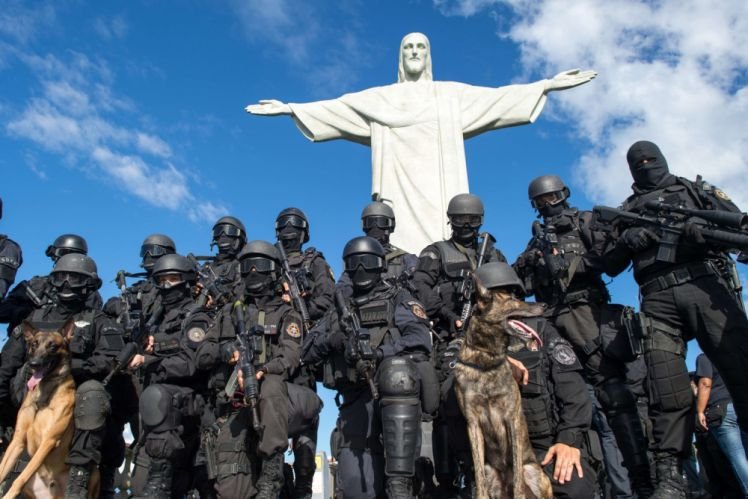
[The Cultural Revolution Sweeping Across Europe from America]
Can Ireland survive the new cultural revolution?
Talk to an educated Irish person in a global city today, and you will quickly discover that they hold the twin ideologies of post-Celtic Tiger Ireland: a vague sentimental remnant of the Irish ethno-nationalism of the revolutionary period and the internationalist and multicultural open society values of Google.
Having uncritically adopted the fashions of American academia, Ireland’s new young educated elite have started parroting the imported language of “white privilege” versus “people of colour”, and the dangers of nationalism versus the superior multinational capitalism-friendly values of openness.
There is little reason to think the cultural revolution sweeping across Europe from America will stop and listen to the “but we’re on your side!” pleas offered by Irish Republicans about how they supported the anti-apartheid movement in the Eighties or how our nationalist heroes were anti-imperialists or that our Republicans today are economically left-leaning and pro-immigration.
This new generation of elite aspirants are already showing that they make no such distinction and simply recast the native Irish as “white people” whose privilege needs to be checked and ultimately dismantled.
It is worth asking why the woke cultural revolution sweeping Irish society would spare a single one of our national statues, monuments or heroes.
Why wouldn’t our literary heroes also be wiped from the canon and from the public space?
The continued dominance of Irish literature in our universities is certainly open to the accusation of being exclusionary and too white.
Who will be left in our compliant little colony of Silicon Valley to defend any of these figures a few years from now after the woke cultural revolution has replaced the unsuspecting old guard with the new?
Irish liberal media used to love showcasing the young children of immigrants playing hurling or speaking Irish, which offered a vision of the future in which anyone could be Irish through adoption of the national culture, but what happens when those young people are filled with poison in the indoctrination camps of university and taught to fear and resent the native population as white racists?
Unlike the republics that can claim to be founded on abstract and universalist principles, sooner or later there is simply no getting around the brick wall of truth that the Irish nationhood envisioned by our revolutionary founders was fundamentally ethno-nationalist.
Historians can offer all the contextualising explanations they like but this will be the awkward truth the woke internationale will use to bury it in shame.
Nationalists will no longer be dealing with a few scattered genteel revisionist intellectuals but the full tidal ideological force of the American Empire, with its sophisticated cold war psychological warfare tactics, its world dominating oligarchy and every elite institution at home and abroad on its side.
It is a tragic irony of Irish history that, having fought a globe-spanning empire to build an independent Irish nation, and having fought the imperial landlords through agrarian peasant movements before that, giving the world the very word boycott, it stands today as a tax colony of American tech.
The Irish will soon learn that if your economy is ruled from California, your society will start to look like California.
Angela Nagle (2020) in UnHerd
Ah, poder ser tu, sendo eu!
Ter a tua alegre inconsciência,
E a consciência disso!
[Fernando Pessoa (1924)]
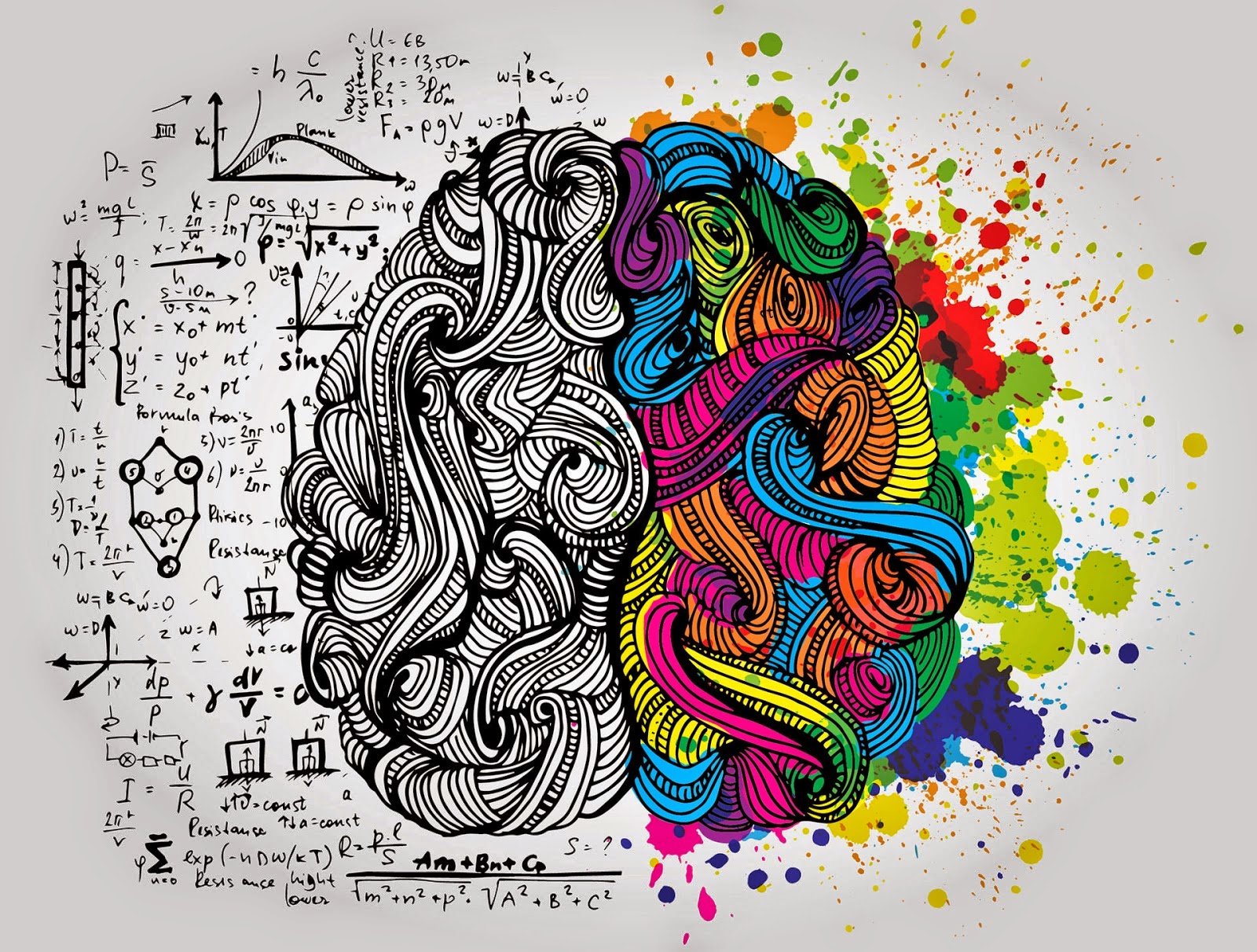
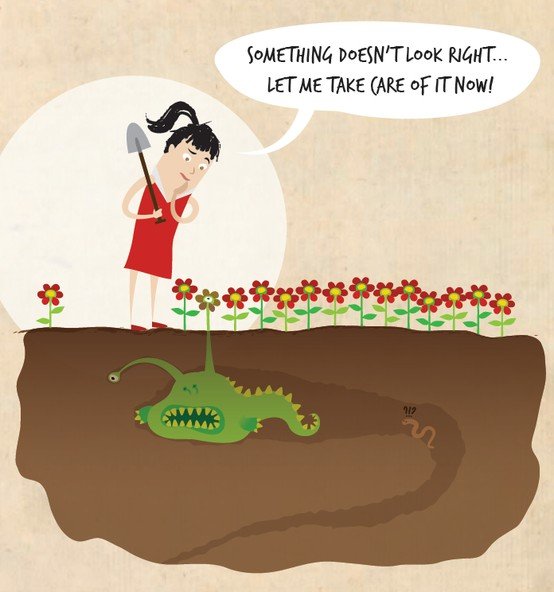
Prime Minister Mette Frederiksen's Social Democratic party has created a new post to promote 'spiritual rearmament' ('åndelig oprustning') and national values. In a country very attached to cohesion and currently pushing a hard line on migration, Frederiksen has taken up the concept of spiritual rearmament, although she has not exactly defined what it means. "I will be the spokeswoman for democracy for the Social Democrats, with a particular focus on spiritual rearmament," Ida Auken, the lawmaker who got the job, wrote on Facebook. "We need to strengthen Danish democracy... We have to know our history. We need to speak about our values. It's good to reinforce militarily but if there's no equivalent spiritual rearmament, we will not guarantee the sovereignty and security of Denmark, the West and Europe. Spiritual rearmament exists through many of our institutions that we tend to take for granted and that are under enormous pressure. These include state schools, the Lutheran church, the state and the voluntary sector," Auken told local news agency Ritzau. The Local (2025)
Sábio é o que se contenta com o espetáculo do mundo.
Não quero recordar nem conhecer-me.
Somos demais se olhamos em quem somos.
Ignorar que vivemos
Cumpre bastante a vida.
A flor que és, não a que dás, eu quero.
Por que me negas o que te não peço?
Tornar-te-ás só quem tu sempre foste.
Com que vida encherei os poucos breves
Dias que me são dados? Será minha
A minha vida ou dada
A outros ou a sombras?
Tudo, desde ermos astros afastados
A nós, nos dá o mundo.
E a tudo, alheios, nos acrescentamos,
Pensando e interpretando.
[Fernando Pessoa, Ricardo Reis]
 (2015)
Existem cinco características que são perigosas num General:
- Disposto a morrer: pode ser morto.
- Determinado a sobreviver: pode ser capturado.
- Irascível: pode ser insultado.
- Inseguro: pode ser humilhado.
- Complacente: pode ser desrespeitado.
[A Arte da Guerra de Sun Tzu, V a.C.]
Bárbara Reis no Público (2018) conta como Hilda Solis, primeira mulher hispânica do Senado da Califórnia e filha de pais emigrantes da Nicarágua e do México foi picada pelo mosquito do politicamente correcto ao ser a autora da moção apresentada ao comité de supervisores do condado de Los Angeles que substituiu o Dia de Cristóvão Colombo por Dia dos Povos Indígenas, o que resultou no derrube da estátua de Colombo que estava na Baixa da cidade.
Solis disse: “A estátua de Cristóvão Colombo reescreve um capítulo manchado da História que romantiza a expansão dos impérios europeus e a exploração de recursos naturais e seres humanos. Minimizar ou ignorar a dor dos habitantes originais de Los Angeles é prestar um mau serviço à verdade.
A remoção da estátua de Colombo é um acto de reparação da justiça que honra e reconhece o espírito resiliente dos habitantes originais do nosso condado. Com a remoção, começamos um novo capítulo da nossa História, em que aprendemos com os erros do passado.”
Bárbara Reis argumenta ainda que não vale a pena discutir os ideais de “recomeçar a História” ou se aprendemos com os erros do passado.
Muitos menos se Colombo “descobriu a América”. Onésimo Teotónio Almeida diz que “descobrir não significa criar, inventar. Quando a Polícia descobre o criminoso, não o inventa. Os portugueses descobriram o caminho marítimo para a Índia, ninguém diz que descobriram a Índia.
São ‘Descobrimentos’ do ponto de vista europeu.”
Público (2018)
Mas isto não é apenas uma questão de politicamente correcto, mas sim de substituição demográfica da população.
Diferentes culturas têm diferentes narrativas e isso reflete-se no território ocupado.
Hilda Solis não se revê na fundação europeia dos EUA e portanto está a lutar pela sua etnia hispânica.
É por esta mesma razão que Portugal não irá ter um Museu dos Descobrimentos: a sua população maioritária Europeia está a ser substituída demograficamente via imigração e natalidade por populações de base Africana.
Essas populações têm a visão do Descoberto e não do Descobridor.
E portanto não irão querer no seu país, Portugal, que se glorifique o Descobridor e seus Descobrimentos.
Isso é a narrativa de uma etnia portuguesa que está envelhecida, a imigrar e a simplesmente não se reproduzir.
E portanto vai desaparecer.
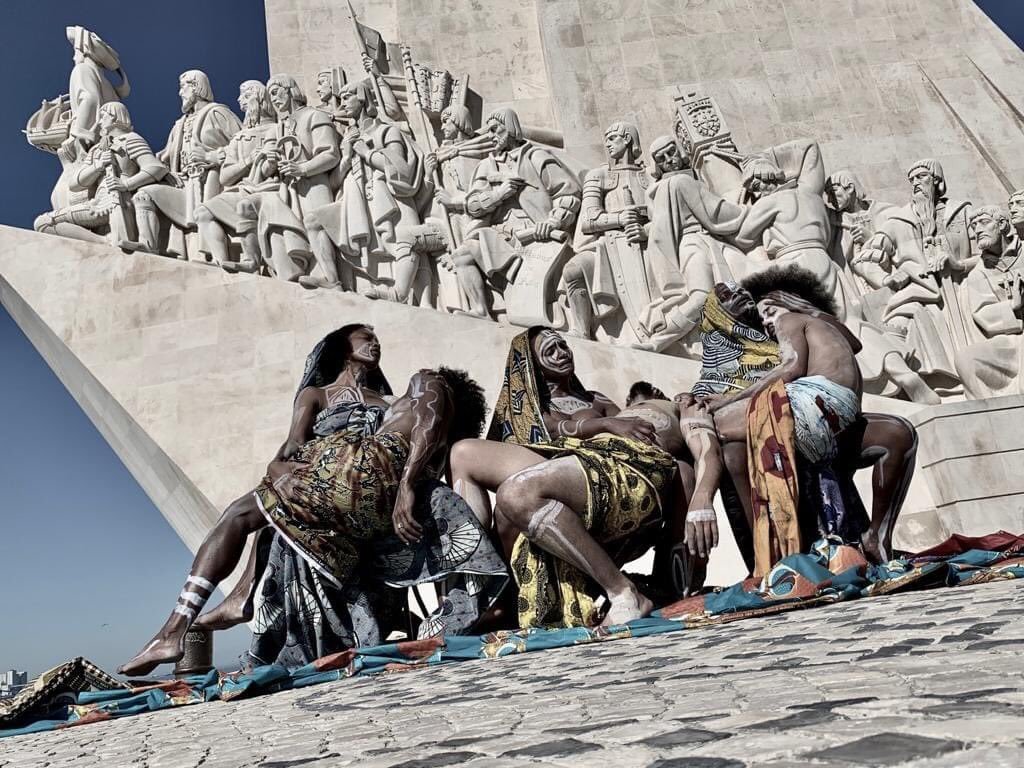
[The Cycle]
Hard times create strong men.
Strong men create good times.
Good times create weak men.
Weak men create hard times.
Rachel McKinnon, a 37-year-old transgender cyclist who won her second world title at the 2019 Masters Track World Championships in Manchester, is pictured left alongside her fellow female competitors.
MailOnline (2019)

We have largely forgotten that the traditional family was usually a business enterprise. The average family was engaged in farming, commerce, light manufacture, or a profession; and the family business was usually conducted close to the home, if not within the home itself. Often both parents were deeply involved with the family business, a custom that is vividly described in the Bible. Parents taught their children their business, and children gained self-esteem as well as practical skills by contributing actively to the family livelihood. Where children went to school, this was balanced against responsibilities to the family business. The traditional family often consisted of three generations (or even four) in daily contact with one another. The bond between parents and children was not yet imagined as something that undergoes a rupture when a child turns 18 or 21, and so the relationship of parents to children continued throughout life. And where there is no rupture between adult children and their parents, grandchildren grow up with grandparents and perhaps great-grandparents. Thus young children were able to learn the skill of honouring their father and mother by watching their parents do it. It also meant that in raising children, grandparents were often a crucial presence, providing stores of wisdom and attention to children who learned to honour earlier generations as an integral part of growing up. UnHerd (2022)
Customer Service
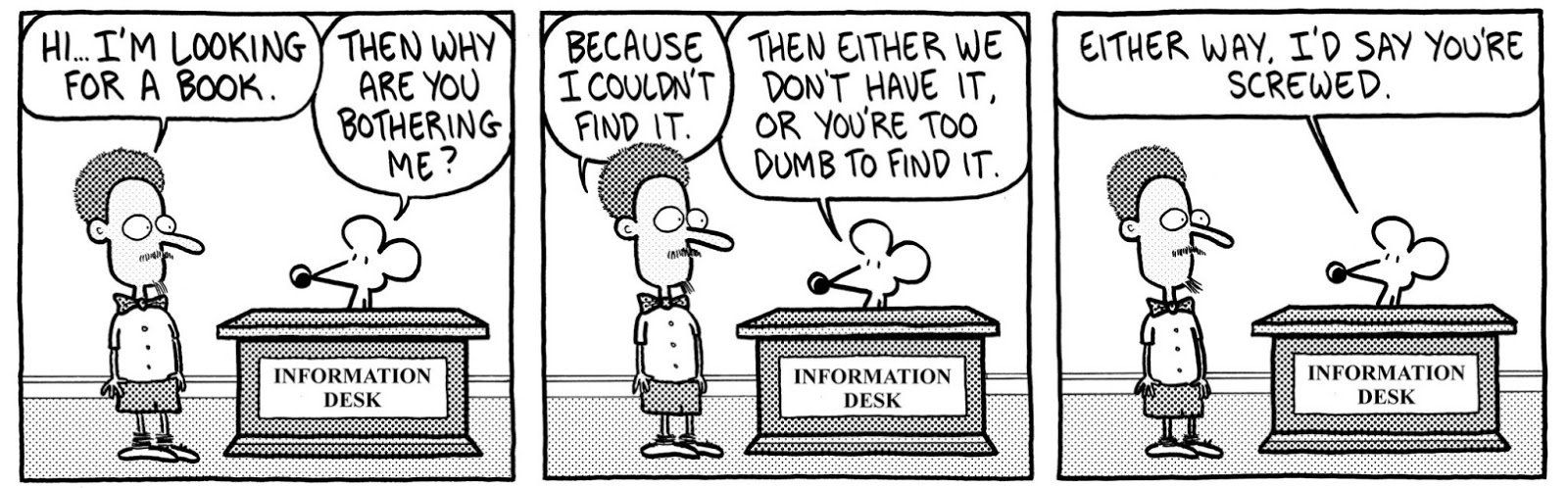
[Dogs and Wolves]
By the 1990s, people started to realize that working as a company man was safe… prevailed the company stayed around.
But the technological revolution that took place in Silicon Valley put traditional companies under threat. For instance, IBM had to lay off a propotion of its company man, who then realized that the low-risk profile of their position wasn't so low risk.
These people couldn't find a job elsewhere. They were of no use to anyone outside IBM, even their sense of humor failed outside of that corporate culture.
The company man has been replaced by the employable person. For people are no longer owned by a company but by something worse: the idea that they need to be employable.
The employable person is embedded in an industry, with fear of upsetting not just their employer, but other potential employers.
In the famous tale by Ahiqar, the dog boast to the wolf all the contraptions of confort and luxury he has, almost prompting the wolf to enlist.
Until the wolf asks the dog about his collar and is terrified when he understand its use.
The wolf ran away and is still running. What would you like to be, a dog or a wolf?
In the original Aramaic version, the wolf ends eaten by the lion. Freedom entails risks, real skin in the game. Freedom is never free.
Neverthless, a dog's life may appear smooth and secure, but in the absence of a owner, a dog does not survive.
Most people prefer to adopt puppies, not grown-up dogs. In many countries unwanted dogs are euthanized. A wolf is trained to survive.
Company man abandoned by their employers cannot bounce back. Whatever you do, just don't be a dog claiming to be a wolf.
Inspired by: Nassim Nicholas Taleb (2018). Skin in the Game: Hidden Asymmetries in Daily Life
The Oxford University Press has warned its writers not to mention pigs, sausages or pork-related words in children's books, in a bid to avoid offending Muslims.
Speaking on Radio 4's Today programme, presenter Jim Naughtie said: "I've got a letter here that was sent out by OUP to an author doing something for young people.
Among the things prohibited in the text that was commissioned by OUP was the following: pigs plus sausages, or anything else which could be perceived as pork."
A spokesman for OUP said: "OUP's commitment to its mission of academic and educational excellence is absolute.
Our materials are sold in nearly 200 countries, and as such, and without compromising our commitment in any way, we encourage some authors of educational materials respectfully to consider cultural differences and sensitivities."
The Telegraph (2015)
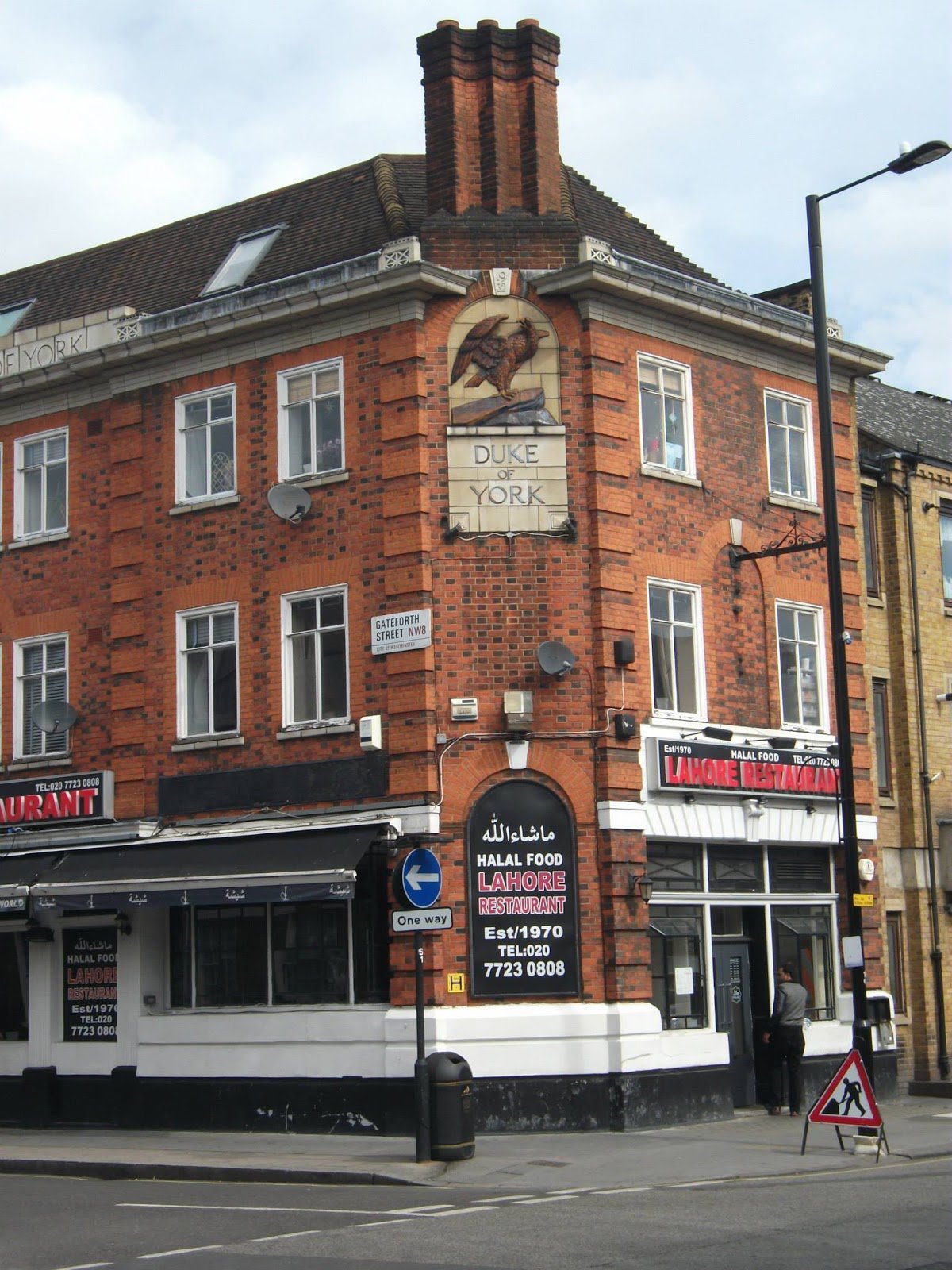
[Grapes Of Wrath] YouTube (2010)
A propósito da imigração, os governos europeus insistem em imaginar indivíduos e famílias que, uma vez nos novos países, adoptariam a sua língua e costumes: em poucas décadas, os jovens sírios seriam alemães de meia idade.
Esta perspectiva é um resquício do etnocentrismo colonial.
Os imigrantes não são uma simples matéria-prima humana para compensar o declínio demográfico europeu.
Trazem a sua história e os seus valores.
Os cristãos do Médio Oriente, que representam a mais antiga das cristandades, não estão a extinguir-se "naturalmente".
No princípio do século XX, apesar de séculos de discriminação e repressão islâmica, cerca de um quinto das populações do Médio Oriente ainda eram cristãs.
No Egipto e na Síria de hoje, aliás, continuam a ser 10%.
É essa heterogeneidade cultural e étnica que está a ser eliminada por repetidos apelos à jihad. Primeiro, houve o genocídio dos cristãos arménios (1,5 milhões de mortos) e assírios.
Depois, a matança e a expulsão dos cristãos gregos (700 000 mortos e 1 milhão de refugiados).
Os jihadistas de hoje propõem-se completar essa limpeza.
A perseguição e o massacre das comunidades cristãs do Médio Oriente e do norte de África é uma das grandes tragédias do nosso tempo.
A Europa, no entanto, parece indiferente.
As elites europeias, com o seu desinteresse pelo destino da cristandade oriental, admitem que o multiculturalismo está condenado no Médio Oriente.
Porque pensam então que terá futuro na Europa?
Rui Ramos em O cristianismo arrancado pelas raízes (2017) e O regresso da política da fé e do sangue (2016)
“Saber que em breve estarei morto foi a ferramenta mais importante que encontrei para me ajudar a tomar grandes decisões na vida.
Porque quase tudo – todas as expectativas, todo o orgulho, todo o medo do ridículo ou do fracasso – tudo cai por terra perante a morte, restando apenas o que é verdadeiramente importante.
Lembrarmo-nos de que vamos morrer é a melhor maneira de evitar a armadilha de pensarmos que temos algo a perder.
Já estamos despidos de tudo.”.
As palavras são de Steve Jobs no célebre discurso proferido aos alunos de formatura da Universidade de Stanford em 2005, seis anos antes da sua morte. Na verdade, o lendário fundador da tecnológica Apple foi um dos rostos de uma técnica de gestão que conta mais de duas décadas e que está a atrair um número crescente de diretores executivos e gestores de topo em todo o mundo.
Daniel Harkavy, coautor do livro Living Forward, chama-lhe a técnica do elogio fúnebre.
O processo consiste em conduzir os gestores num exercício de visualização da sua própria morte, levando-os a colocar num papel o que diriam sobre si próprios nas suas cerimónias fúnebres.
Expresso (2019)
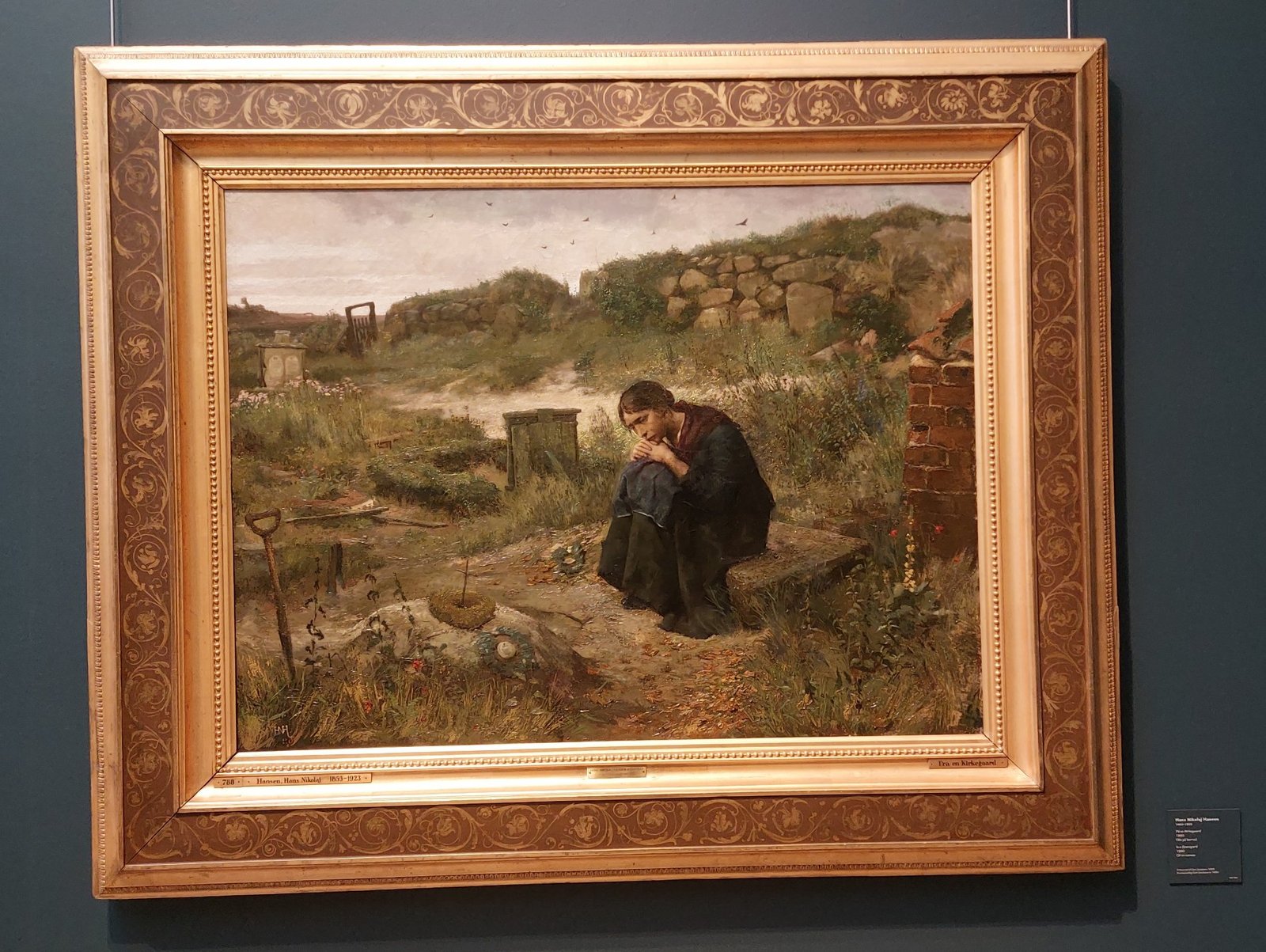
Dysgenics is the study of factors producing the accumulation and perpetuation of defective or disadvantageous genes and traits in offspring of a particular population or species. The adjective "dysgenic" is the antonym of "eugenic". It was first used by David Starr Jordan, describing the supposed dysgenic effects of World War I. Jordan believed that healthy men were as likely to die in modern warfare as anyone else, and that war killed only the physically healthy men of the populace whilst preserving the disabled at home. Richard Lynn in his Dysgenics: Genetic Deterioration in Modern Populations (1996) identified three main concerns: deterioration in health, in intelligence, and in conscientiousness. Peter Hitchens and the death of Britain in the First World War (2020)
When it comes to interacting with people on the street, it’s essential to strike a balance between acknowledging their presence and respecting their boundaries. The distinction between staring and glancing lies in the duration and intent behind the gaze. Glancing is a quick, fleeting look, usually casual and non-intrusive, used to gather basic information or assess a situation briefly; can be a natural response to noticing someone as they pass by. Staring consists of looking at someone for a longer period, often with an intense or fixated gaze and may be interpreted as a lack of respect for personal boundaries. It’s recommended to glance briefly to acknowledge people’s presence, but to avoid prolonged staring, which can be perceived as invasive. Prioritize respect for personal boundaries and avoid making prolonged eye contact with someone you don’t know. Brave Leo AI (2024)
The Rivers of Blood speech was made by British Member of Parliament Enoch Powell on 20 April 1968, to a meeting of the Conservative Political Centre in Birmingham, United Kingdom:
Now we are seeing the growth of forces acting against integration, of vested interests in the preservation and sharpening of racial and religious differences, with a view to the exercise of actual domination, first over fellow-immigrants and then over the rest of the population.
For these dangerous and divisive elements the legislation proposed in the Race Relations Bill is the very pabulum they need to flourish.
Here is the means of showing that the immigrant communities can organise to consolidate their members, to agitate and campaign against their fellow citizens, and to overawe and dominate the rest with the legal weapons which the ignorant and the ill-informed have provided.
The Rivers of Blood speech by Enoch Powell (1968)
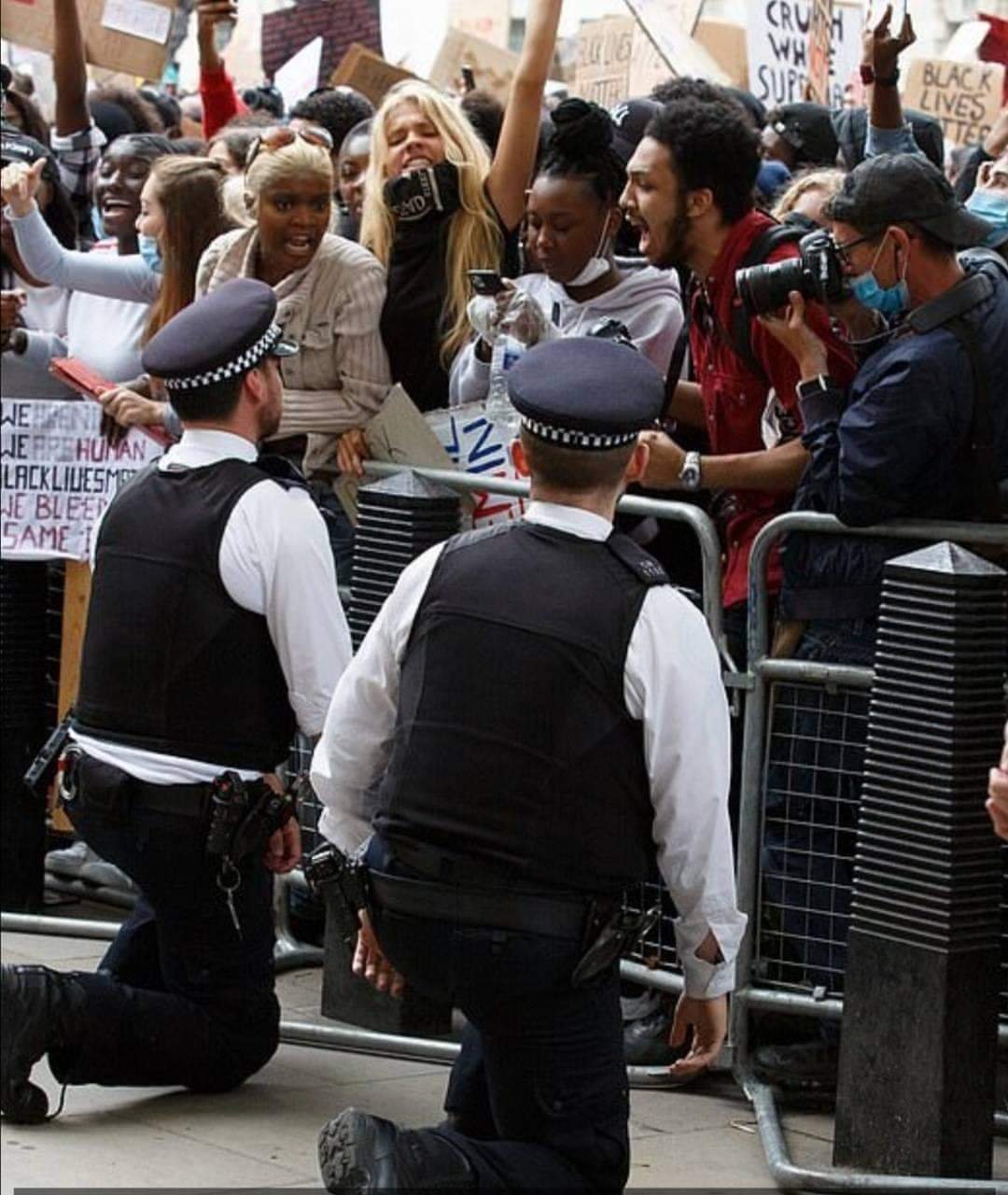 The UK Police takes a knee at a George Floyd manifestation in London (2020)
[review of The Disuniting of America: Reflections on a Multicultural Society (1991), by Arthur M. Schlesinger Jr.] In the end of the XX century, Arthur Schlesinger understood the problem: heterogeneity without unifying ideals and a common culture, just creates a society fragmented into separate ethnic communities struggling for power and survival. Multiculturalism, or the ethnicity cult as he described it, was a road to Balkanization and would ultimately result in the dismiss of the nation. Although the dispensable wishful thinking, the book was an honest warning to the USA elites and public. But as he concluded, foreseeing the future, "history is littered with the wreck of states that tried to combine diverse ethnic or linguistic or religious groups within a single sovereignty." (2017)
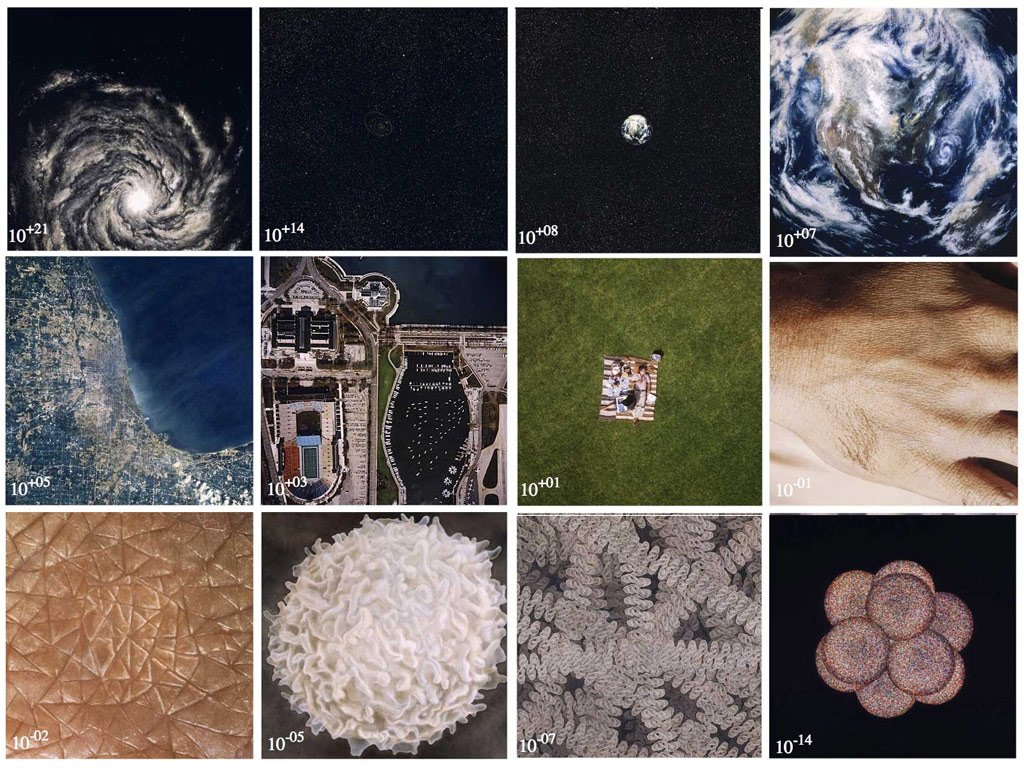
Powers of Ten (1977) takes us on an adventure in magnitudes.
Starting at a picnic by the lakeside in Chicago, this famous film transports us to the outer edges of the universe.
Every ten seconds we view the starting point from ten times farther out until our own galaxy is visible only as a speck of light among many others.
Returning to Earth with breathtaking speed, we move inward- into the hand of the sleeping picnicker- with ten times more magnification every ten seconds.
Our journey ends inside a proton of a carbon atom within a DNA molecule in a white blood cell.